2026-2027 MEDEX Application Cycle Is Now Open
Applications will be accepted May 1 - October 1, 2026 for June 2027 matriculation.
Prospective applicants should review the updated admissions criteria on the Applicants page before applying.


A MEDEX Magazine Series
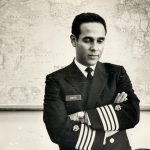
Washington D.C. 1966
The clink of coffee cups and the buzz of murmured conversations filled the executive dining room of the Public Health Service in Washington D.C. as Richard Smith sat deep in thought, sketching ideas on a napkin. The word “MEDEX” emerged from among his notes, a term he had coined recently to capture a concept he had been refining for years. Drawn from the French médecin extension and the Spanish un extension del médico—both meaning “an extender of the physician”—it represented his vision for a new kind of healthcare provider. MEDEX was more than a word; it was a solution, a way to address the critical gaps in healthcare access and extend the reach of overburdened doctors to underserved communities around the world.

Across the table, Surgeon General William Stewart watched with interest, having become increasingly intrigued by his young protégé’s vision for transforming healthcare delivery. Stewart had taken to using the term “MEDEX” himself. In meetings, Smith would catch Stewart’s eye when healthcare shortages came up, both thinking the same thing: MEDEX could be the answer. But Smith knew that having the Surgeon General’s interest wasn’t enough. I need to understand how to make this happen, he thought. How do we create what Stewart calls a ‘receptive framework’?

The opportunity to test his ideas came in late October 1966. One afternoon, Stewart called Smith into his office. Eugene Black, former World Bank president and now President Johnson’s Special Adviser on Southeast Asian development, was planning a trip to establish the Asian Development Bank. With the Vietnam War escalating, Johnson wanted to show that American commitment to the region extended beyond military intervention.
“They want me to go with Black’s delegation,” Stewart explained, leaning back in his chair. “Ten countries in Southeast Asia. Might be a good place to float this idea of yours.”
Smith felt his pulse quicken, recognizing a possible opening. But he kept his voice measured as he briefed Stewart on how to present the concept.
Weeks later, Stewart returned with news that both excited and challenged Smith. “They need doctors—that’s what everyone kept saying,” Stewart reported. “But when I mentioned your idea about training local healthcare workers, extending the reach of existing physicians? The health minister in Laos asked something that stuck with me: Why aren’t we doing this in the United States?”
The question hit Smith like a thunderbolt. Yes! Why aren’t we?
For years, he had envisioned MEDEX as a solution for developing nations—places where doctors were few and patients many, where basic healthcare needs went unmet. But the Laotian health minister’s pointed words unearthed something deeper. He thought back to the White House Conference on Health the year before and considered its sobering revelations: America had its own healthcare deserts—rural communities, urban neighborhoods, places where doctors were scarce or nonexistent. And those doctors who remained? Overworked and exhausted, many teetered on the edge of burnout, unable to meet the relentless demand.
This was Smith’s gift: seeing patterns others overlooked, finding solutions in the spaces where ideas intersected. Now, the pieces began to align. What if MEDEX wasn’t just for far-off villages or developing nations? What if it could serve Appalachia, the Pacific Northwest, or the underserved streets of Detroit? What if we trained capable, local hands to extend the reach of physicians, to ease their burden and keep them in the communities that needed them most?
The MEDEX idea would continue to percolate in Smith’s fertile mind even while he pursued other projects in his role as Special Assistant to the Director of the Office of International Health in the Office of the Surgeon General. One such project concerned the challenges that physicians were experiencing in their international assignments with the Peace Corps. In the years since his own service as a Peace Corps physician in Nigeria and his subsequent leadership roles within the Peace Corps’ medical programs across Africa, Smith had developed a keen understanding of global health challenges and the potential of physicians with international experience.
Smith leaned back in his chair, the leather sighing beneath him as his gaze drifted to the ceiling. We’re losing them, he thought. The problem had been simmering in his mind for months, even as he juggled his other initiatives and responsibilities.
Each year, the Peace Corps sent back a crop of young physicians, hardened by their experiences in villages and clinics across the world—Nepal, Colombia, Thailand. Smith recognized in them the same transformation he had undergone during his service in Nigeria and his oversight of medical operations across Africa. They returned with ingenuity, resilience, and a clarity of purpose that couldn’t be learned in a residency program. And yet, when they stepped back onto American soil, their potential scattered like seeds on concrete. There was no system to nurture them, no clear career path that built upon what they had seen and done.
Smith flipped through another stack of reports, each page filled with stories of doctors who had performed surgeries by flashlight, managed outbreaks with minimal resources, and navigated complex cultural terrain while delivering care. He remembered his own uncertain transition from Peace Corps physician to administrator and the steep learning curve he had navigated without formal guidance. These doctors deserve better than to fumble forward as I did.
The trick was to capture the unique experiences of returning Peace Corps physicians before they disappeared into conventional medical careers.
Now, with his new role in the Surgeon General’s office, Smith recognized a unique opportunity to bridge his past with his future. He saw a chance to create a program that would capture the dedication and adaptability he had witnessed in Peace Corps physicians and channel it toward solving broader health systems challenges.
He pulled out a blank sheet of paper and began sketching ideas. The trick was to capture the unique experiences of returning Peace Corps physicians before they disappeared into conventional medical careers. These doctors had developed skills that couldn’t be taught in traditional settings: adaptability, resourcefulness, and cultural sensitivity. With the right structure and mentorship, they could build upon those skills to become the kind of leaders who understood healthcare from both the ground level and the systems perspective.
The following morning, Smith’s voice carried newfound urgency as he made his case to the Surgeon General.
“These Peace Corps physicians aren’t just good doctors, they’re potential health system leaders,” he insisted, his hands animated as he explained. “They understand health challenges at both global and community levels. They’ve learned to innovate when resources are scarce. We need to capture that potential, help to shape and direct it.”
The Surgeon General listened, brow furrowed in thought. “And what exactly are you proposing, Dr. Smith?”
“A three-year fellowship program,” Smith replied. “Flexible but structured. Academic training, yes, but also preceptorships with established health leaders, field assignments both domestic and international. We create pathways for them to shape health systems, not just work within them.”
A nod of understanding and agreement came slowly, but it came. With that tentative approval, Smith reached for the phone, the numbers already etched into his memory. The first call was to Stan Yolles at the National Institute of Mental Health, then Jerrold Michael from the Bureau of Health Services, and finally, Joe Gallagher at the Bureau of Health Manpower. By the time he placed the receiver down after the final call, he had secured $300,000 in funding—$100,000 from each agency—enabling the creation of The Global Community Health Fellows Program.
No longer just an idea scrawled on paper, it had a name, funding, and soon, it would have its first class of Fellows. As Smith continued to climb the ranks within the Office of International Health, he would take pride in watching this program take shape, laying the groundwork for the type of healthcare innovations he would continue to develop throughout his career.
The inaugural orientation for the Global Fellows convened in late 1966 in a modest conference room, thick with Washington’s winter chill. Smith stood before a small group of physicians, each recently returned from Peace Corps service, their faces a mixture of curiosity and cautious optimism.
“The world is one community with common problems,” Smith began, echoing the words from the program brochure he’d labored over. “Disease prevalence. Leadership gaps. Health manpower shortages. This program isn’t just about advancing your careers—it’s about preparing you to address these challenges at local, national, and global levels.”
The orientation room registered a growing energy as Smith outlined the program’s philosophy. It wasn’t just about medicine—it was about systems thinking. The curriculum covered health systems management, epidemiologic approaches, conference leadership and group dynamics, and the social forces that shaped health outcomes.
Smith watched as the Fellows began discussing amongst themselves, exchanging ideas about potential mentors and field placements. These are the future health leaders we need, he thought.
But the true innovation of the program lay in its flexibility. “Your choice is the key,” Smith reminded them, emphasizing the program’s most distinctive feature. “You choose your academic focus. You select your preceptors. You decide where your field assignments take you, here in the U.S. or abroad.”
For some in the room, this level of autonomy still raised practical questions. One young doctor raised his hand.
“How do we ensure our choices align with the program’s objectives?” he asked, his expression thoughtful. “Are there guidelines for selecting mentors?”
Smith smiled, recognizing Steve Joseph, a physician who had served in Nepal. “Dr. Joseph, this isn’t a residency program. It’s a leadership development pathway. The only fixed requirements are that you complete three years, obtain a graduate degree, and engage with a mentor. Beyond that, you design the experience that will best prepare you for the kind of leader you want to become.”
Joseph nodded slowly, the possibilities beginning to take shape in his mind.
Smith watched as the Fellows began discussing amongst themselves, exchanging ideas about potential mentors and field placements. These are the future health leaders we need, he thought. People who understand both the frontlines and the systems, who can design interventions and shape policy from that dual perspective.
The program attracted physicians who defied easy categorization. They weren’t just clinically competent; they possessed something more—a restlessness, a vision that extended beyond hospital walls.

Steve Joseph had performed surgeries by kerosene lamp in Nepal. His Fellowship paired him with Phil Lee, a towering figure in U.S. health policy. Together, they explored the intricacies of healthcare systems, with Joseph absorbing Lee’s strategic thinking like a sponge soaking up water. Years later, he would apply these lessons as New York City’s Health Commissioner and later as Assistant Secretary of Defense for Health Affairs, where he brought Gulf War Syndrome to national attention. During the years of the Nixon administration, Joseph took his systems thinking to UNICEF, where he led a number of primary care initiatives.
Mervyn Silverman arrived from Thailand with a keen interest in public health administration. His Fellowship journey took him through academic training and into the heart of urban health challenges. When the AIDS crisis emerged years later during his tenure as San Francisco’s Health Officer, he drew on his Global Fellows training to make the difficult but necessary decision to close the city’s bathhouses—a controversial move that likely saved countless lives.
Joe Davis, fresh from Colombia, structured his Fellowship to include a year embedded in Chile’s Health Ministry under Salvador Allende before Allende became president. Davis later pursued economics at the London School of Economics, developing a dual expertise in public health and economic policy that served him well when he eventually headed international operations for the .
Other notable Fellows included Vivian Chang, who applied her Fellowship experience to reshape healthcare delivery in underserved communities, and Larry Horowitz, who carried the program’s philosophy into Senator Ted Kennedy’s office, influencing national health policy for decades to come.
The program’s impact extended even to those it didn’t accept: Dr. David Lawrence, though initially rejected from the program after his Peace Corps service in the Dominican Republic, later became the program director of MEDEX after Smith left the post in 1972, and eventually rose to become the CEO of Kaiser Permanente, transforming it into a model integrated health system.
The Fellowship also expanded beyond physicians. Smith fought bureaucratic battles to include Native American lawyers in the program, recognizing that health systems required legal architects as well as medical ones. This interdisciplinary approach was revolutionary for its time, anticipating the complex and multi-faceted nature of public health challenges decades before such thinking became mainstream.
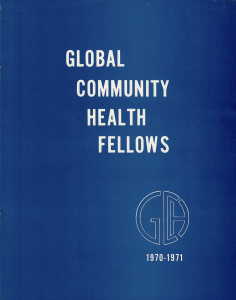
As Smith’s career progressed from Special Assistant to Chief of the Office of Planning in early 1967, and later to Deputy Director of the Office of International Health by mid-1967, he watched with satisfaction as the Fellows program took root. Throughout 1967 and 1968, the program flourished, attracting talented physicians eager to expand their impact beyond clinical care.
But Smith knew Washington well enough to recognize that innovative programs such as The Global Community Health Fellows Program often lived at the mercy of shifting political priorities. The results of the 1968 presidential election certainly offered a case in point.
Smith, who at the time was preparing for his move to Seattle, WA to develop and launch the MEDEX Northwest PA program, watched as Richard Nixon secured victory, bringing with him new priorities and a new administration. By January 1969, as the Nixon administration took office and Smith settled into his new position in Seattle, he sensed the changing winds from the other side of the country. The Global Community Health Fellows Program, despite its promising results, was viewed as a Johnson administration initiative, and that alone made it vulnerable.
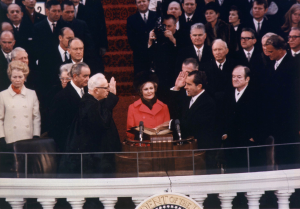
Within weeks of Nixon’s inauguration, the program was killed, bringing to an end an initiative that had trained 30 talented physicians and health professionals in just over two years of operation.
The program may have been short-lived, a mere flash in the bureaucratic history of the Surgeon General’s office, but its impact is just beginning, Smith would reflect.
And indeed, as Smith followed the careers of his Fellows over the proceeding years, a pattern emerged that confirmed his original vision. These weren’t just successful individuals; they were transformative forces in their fields. They shaped responses to AIDS, influenced military health policy, redesigned urban health systems, and brought epidemiologic thinking to crisis management.
That’s the real legacy, Smith knew.
And it formed a perfect complement to his other initiatives, each addressing different aspects of the same fundamental challenge: bridging the gap between medical knowledge and human suffering.
Geneva, May 1967

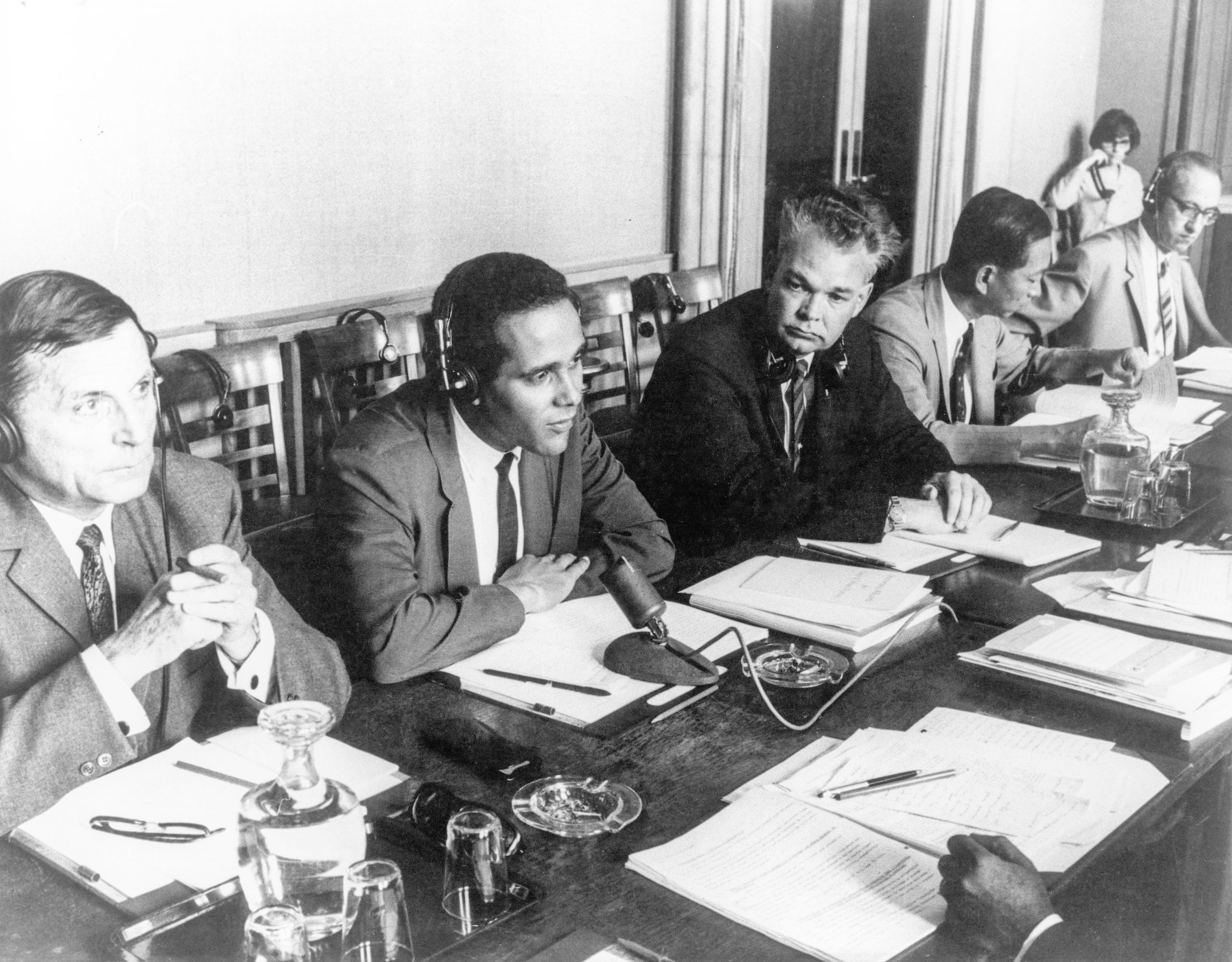
The grand meeting hall of the Palais des Nations in Geneva, Switzerland was alive with multilingual conversation as Richard Smith took his seat among the American delegation. At thirty-five, he was both the youngest U.S. delegate ever appointed to the World Health Assembly and the first African American to represent his country in these halls. Morning light streamed through the tall windows, catching the crystal water glasses on the delegates’ tables and sending prismatic patterns across the briefing papers in front of him. The familiar flutter of nervous energy in his stomach reminded him of his early days as a young musician performing for an expectant crowd. But this stage demanded something else entirely: a fluency not in notes and rhythm, but in the art of diplomacy and the power of ideas.

As Geneva’s spring air flowed through the open windows and delegates filed into the hall, Smith noticed the subtle shifts in body language as other representatives realized a Black man sat with the U.S. delegation. Some did double-takes, others smiled encouragingly, while a few frowned in barely concealed disapproval. He had grown accustomed to being the “first” or “only” in many rooms, but this position carried special weight.

At the early morning briefing, Surgeon General William Stewart had pulled him aside. “You bring something unique to these proceedings, Dick,” Stewart had said quietly. “Your years managing Peace Corps medical operations gave you insights most of us don’t have. You understand both sides of the divide: the developed and developing worlds. Use that perspective.” The words echoed in Smith’s mind as he observed the sea of faces before him, representatives from nations grappling with the same fundamental challenge: not enough trained healthcare providers to serve their people.
The assembly schedule was relentless. Breakfast meetings began at 7 a.m. at the American Consulate on Rue du Lausanne, followed by full days of sessions and evening receptions that frequently stretched past midnight. But it was in the informal moments—over coffee breaks, during walks along Lake Geneva, at elaborate diplomatic dinners—that Smith began piecing together his mental map of the global healthcare crisis and the relationships that might help address it.

At a Soviet reception held early in the proceedings, Smith experienced two separate but equally unexpected encounters: first with Karl Evang, Norway’s Minister of Health, and then with Sir George Godber, Chief Medical Officer for the Government of the United Kingdom. Each acting on his own, these giants of international health offered to mentor Smith in the ways of the World Health Organization and its assembly. Both men had recognized his newcomer status in international health diplomacy, perhaps feeling a bit sorry for this young delegate who was clearly finding his footing in this new world of global politics. They each committed to being available for questions and planning sessions, offering to help jumpstart his participation in this complex diplomatic arena.
Each day brought new connections and revelations. Congressman Neil Smith from Iowa engaged him in passionate discussions about healthcare funding. Melvin Laird, head of the House Appropriations Committee, pressed him on practical implementation strategies. Gerald Dorman, soon to be president of the American Medical Association, became a quiet but steadfast supporter, understanding how Smith’s ideas could help address physician shortages in the U.S. Meanwhile, Malcolm Merrill, president of the American Public Health Association, leaned in during a heated debate on rural healthcare delivery. “You’re onto something,” Merrill murmured. “Keep at it. We’ll need this sooner than anyone realizes.”

The assembly was teaching Smith lessons that would prove invaluable in the years ahead. Every coffee break conversation, every shared meal, every late-night discussion was another thread in the tapestry of relationships he was weaving. This is how change happens, he realized, watching the intricate dance of international diplomacy unfold around him. Not just through good ideas, but through the people who believe in them.

On the assembly’s final day, Smith lingered in the nearly empty hall, his briefcase packed but his mind racing with possibilities. He had arrived in Geneva as a young delegate, uncertain of his place, expecting to observe and learn. He was leaving with a network of powerful allies, their shared commitment transforming his vision into something tangible. The stakes were monumental, but he no longer felt alone in his mission.
Stepping into the bright Geneva afternoon, Smith paused, struck by how much had shifted over the past three weeks. The path ahead was clearer now, lit by the connections forged in these elegant halls. He hadn’t just attended the assembly—he had planted the seeds for a global movement. It was only the beginning, but the future felt like a symphony waiting to be composed, one note, one heart, one hand at a time.
And the setting of the next movement of that symphony? Seattle, Washington.