2026-2027 MEDEX Application Cycle Is Now Open
Applications will be accepted May 1 - October 1, 2026 for June 2027 matriculation.
Prospective applicants should review the updated admissions criteria on the Applicants page before applying.


A MEDEX Magazine Series
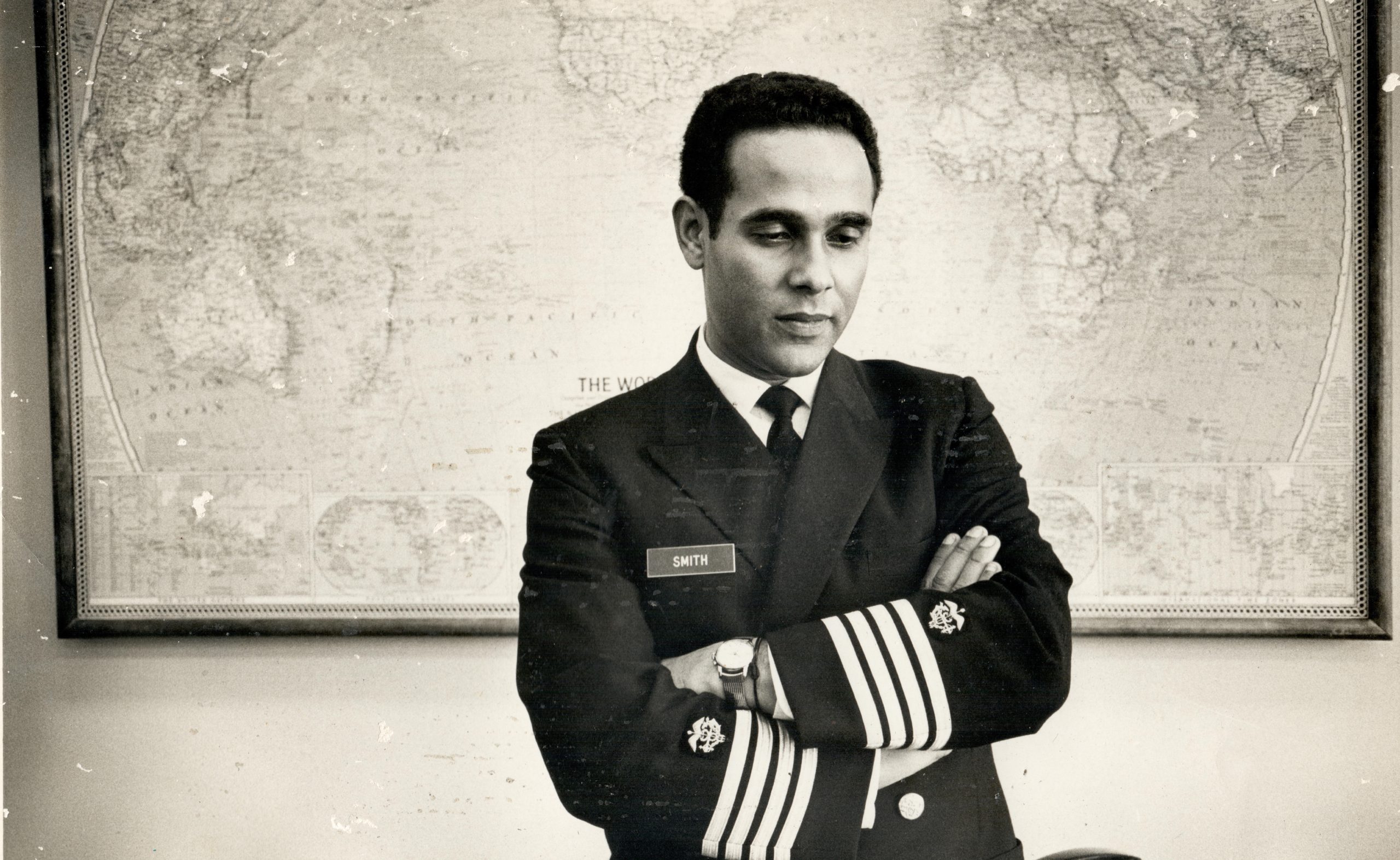
Editorial Note: While Richard Smith’s pursuit of creating a television series stretched over thirteen years, from 1965 until 1978, we are condensing the story of that pursuit into this single chapter. The RAIDER television project ran parallel to Smith’s career—from his work in the Office of the Surgeon General, to his efforts on the U.S. delegation to the World Health Assembly, to his creation of MEDEX Northwest in Seattle, to his development of the MEDEX Group in Honolulu—sometimes dormant, sometimes urgent, but never entirely absent from his thoughts.

July 1965 – Washington, D.C.
Dr. Smith leaned back in his armchair, the cool leather creaking beneath him as the flickering glow of the television washed over his living room. On the screen, Dr. James Kildare, the handsome leading character of the very popular medical series Dr. Kildare, spoke with the authority of a man who always had the answer. A sharp diagnosis. A reassuring nod. Within the hour, the patient would be saved.
The script was always clean. Squeaky clean, like the soap products that were invariably pitched during commercial breaks.
The weight of the day’s work still clung to Smith’s shoulders. As a physician with the U.S. Public Health Service’s Office of International Health, he spent his days confronting a reality that looked nothing like what played out in prime time. Medicine was messy. Diagnoses were sometimes elusive, cures not always available, and outcomes rarely guaranteed. More than that, medicine extended far beyond the doctor-patient relationship—it was entangled with politics, infrastructure, and economics. Diseases moved like an unseen tide, slipping across borders and threatening entire communities before anyone even noticed.
And yet, many Americans were coming to see doctors as lone heroes in crisp white coats, dispensing cures with a reassuring smile.
Smith exhaled, switching off the television set. What if television could do more than just entertain? What if it could educate? What if it could save lives?
The idea crystallized almost instantly: a medical detective. A doctor who didn’t wait for cases to come to him, but who traveled the world solving epidemics and tracing the origins of outbreaks, all while navigating the murky intersections of science, politics, and international diplomacy. A hero for a changing America—brilliant, relentless, sophisticated. A protagonist who would be decisive, negotiating political roadblocks and bureaucratic indifference with the same ease with which he moved through city streets and remote villages. He would battle cholera in war zones, uncover poisonings linked to corporate negligence, trace a deadly fever to its origins in the heart of the Amazon.
And he would be Black.
Not as a statement. Not as a novelty. But because he was.
Smith reached for a notepad on the side table, the lamp casting a warm circle of light as he scrawled a single word at the top of the page: Raider.
Smith’s concept wasn’t born in a vacuum. Since his pioneering role as a medical officer and the Peace Corps’ first physician in Nigeria in 1961, he had lived a life that read much like the adventure series he now envisioned. He had confronted diseases in the humid villages of West Africa that most American doctors had only read about in textbooks, witnessed medicine stripped of its technological crutches, and treated children too weak from malnutrition to cry. He had seen fevers that burned through entire communities before help could arrive and stood in clinics where the sick lay packed shoulder to shoulder, waiting for a doctor who might never come.
This was where, under thatched roofs drummed by a constant rhythm of rain overhead, Smith had learned that medicine was never just about prescriptions or procedures. It was about trust. It was about crossing cultural divides. It was about understanding why a mother might hesitate to vaccinate her child, or why a community might reject a well-meaning intervention.
“The real danger isn’t just the disease,” a Nigerian colleague had once told him as they drove through a dusty village where polio had recently paralyzed three children. “It’s the broken systems that let it spread. Fix the systems, and you stop the disease before it starts.”
From 1963 to 1965, Smith’s work had expanded beyond Nigerian community clinics. As the Africa Regional Medical Officer and then Deputy Director of the Peace Corps Medical Program, he had overseen health services for volunteers stationed in remote locations across the world. When crises erupted—a mysterious fever in Bolivia, a parasite outbreak in Thailand, a famine in Togo turning into a full-scale health crisis—Smith was the one dispatched to assess and address the situation.
By July 1965, when the Surgeon General’s office recruited him, Smith had visited 53 countries. His experiences were broad in range: He could be trudging through rainforests within just days of conferring with ministers of health in grand colonial buildings and treating patients in either gleaming state-of-the-art hospitals or dirt-floored huts where a single stethoscope had to be shared between doctors.
Each experience was a story unto itself—filled with tension, mystery, cultural complexity, and stakes that were often life and death. Yet Americans remained largely unaware of these realities, content with the simplified, hospital-bound television portrayals of medicine appearing on perennial favorite Dr. Kildare, or its competitor in popularity, Ben Casey.

The more Smith thought about it, the more he saw an opportunity: Television could do more than entertain. These weren’t just thrilling stories; they held lessons—about how disease spread, how governments responded, and the unseen forces that determined who lived and who died. But no one was telling them. Americans tuned in each night to see actors in white coats delivering miracle cures yet never saw the pandemics brewing beyond their borders.
Smith knew these stories deserved a wider audience. Medicine was about more than just doctors in white coats—it was also about global networks, government failures, and cultural barriers. Television had the power to shine a bright light on that. But would Hollywood pay attention?
The more Smith thought about it, the more he saw an opportunity: Television could do more than entertain. These weren’t just thrilling stories; they held lessons—about how disease spread, how governments responded, and the unseen forces that determined who lived and who died.
He envisioned a series that captured the genuine drama of public health—more real than any fictional hospital show. Not just individual patients in hospital beds, but entire communities, even nations, at risk. His mind raced with possibilities: a cholera outbreak in a refugee camp requiring diplomatic finesse as much as medical expertise; a poisoning case linked to corporate negligence; a strange new disease forcing doctors to become detectives, tracking patient zero across continents.
These were also stories that could educate while they entertained—potentially changing how Americans thought about health, developing nations, and their responsibilities as global citizens.

Smith needed someone who understood Hollywood—its language, expectations, and business models. Through his increasingly wide-ranging career connections, he reached out to Bernadette Hale, an actor and screenwriter based in Los Angeles. Their paths had crossed briefly in the past, and something told him she might understand his vision.
In October 1965, he flew to Los Angeles and pitched his concept over dinner.
Smith spread his notes across the table. “The American public deserves better than dry documentaries when it comes to health information,” he explained, the passion evident in his voice. “What if we created something exciting that delivered critical health knowledge as a side effect of great entertainment?”
Bernadette studied his outline, her experienced screenwriter’s eye assessing each element. The candlelight reflected in her glasses as she looked up. “The concept is strong. The stories have natural drama, and the international settings give it scope.”
“And our lead character—a Black physician who’s simply the best at what he does,” Smith added, leaning forward. “Not defined by his race, just by his excellence.”
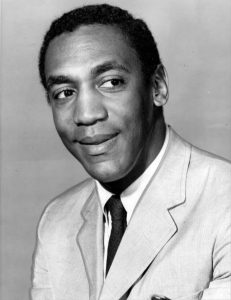
“Like Cosby in I Spy,” he added, referring to actor and comedian Bill Cosby’s character in the very popular 1960s spy series, “but taking it a step further.”
She glanced at him, her expression serious. “You know we’ll face resistance. Hollywood talks about progress, but when it comes to putting money behind projects that challenge conventions…”
“Of course,” Smith replied matter-of-factly. “But the networks need fresh ideas. And the climate is changing, slowly but surely.”
“Production costs will be their first objection,” Bernadette said, tapping her finger against the notes. “All those international locations.”
“We can work around that—stock footage, careful set design. The stories are what matter.”
By the end of dinner, they had agreed to collaborate. Smith would provide the medical expertise and real-world experience; Hale would bring her knowledge of Hollywood and the screenwriting craft. Together, they began drafting what would become the RAIDER prospectus—a detailed vision for a television series unlike anything that had come before.
“And our lead character—a Black physician who’s simply the best at what he does,” Smith added, leaning forward. “Not defined by his race, just by his excellence.”
Momentum grew quickly. By February 1966, Smith had secured initial support from Surgeon General William Stewart and Jack Vaughn, Director of the Peace Corps.
Vaughn’s response had been particularly enthusiastic. During their meeting, he revealed that television networks had been pursuing the Peace Corps for a series for four years without success. The main obstacle had been the difficulty in sustaining an episodic series based on isolated incidents. Vaughn saw RAIDER as a breakthrough—the first time a viable, believable, sustainable, and recurring character had been developed for such a concept. And notably, it was the first series idea to be pitched and developed from within the organization itself.
With this institutional backing secured, Smith approached Dr. Alexander Langmuir, head of the Epidemic Intelligence Service at the CDC, who offered access to files covering over 1,500 real-life outbreak investigations.
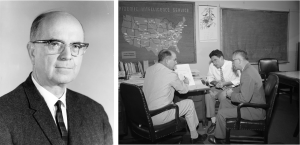
“This could be groundbreaking,” Langmuir told him. “If you can show that work in a compelling way, people might actually start to understand how public health works, and more importantly, why it matters.”
With government backing and case files in hand, Smith and Hale crafted their pitch. RAIDER wasn’t just another medical drama—it was a series about global stakes, the invisible threats that could bring down cities, and the men and women racing against time to stop them.
The pitch they created detailed a protagonist initially named Dr. William Colton Raider, a member of the Epidemic Intelligence Service. Roughly one-third of the proposed first season’s episodes would deal with health problems in the United States, while the remainder would address international health challenges.
Smith was adamant in his vision: entertaining first, educational second. Any medical knowledge would be woven seamlessly into engaging, fast-paced medical detective stories. The protagonist would be Black, but this wouldn’t be the focus; it would simply be a fact of the character’s existence.
The supporting characters were also well-defined:
Dr. Michael Wilkes Deveraux, Raider’s boss: brilliant, eccentric, and America’s foremost epidemiologist;
Dr. Burton Chambers: a wealthy, idealistic young doctor learning from Raider;
Nora Watkins: their sharp, capable assistant, worldly and resourceful.
To Smith and Hale, it felt like things were falling into place. So, they moved forward with pitching their vision to television networks, hoping all these elements would soon come together onscreen.
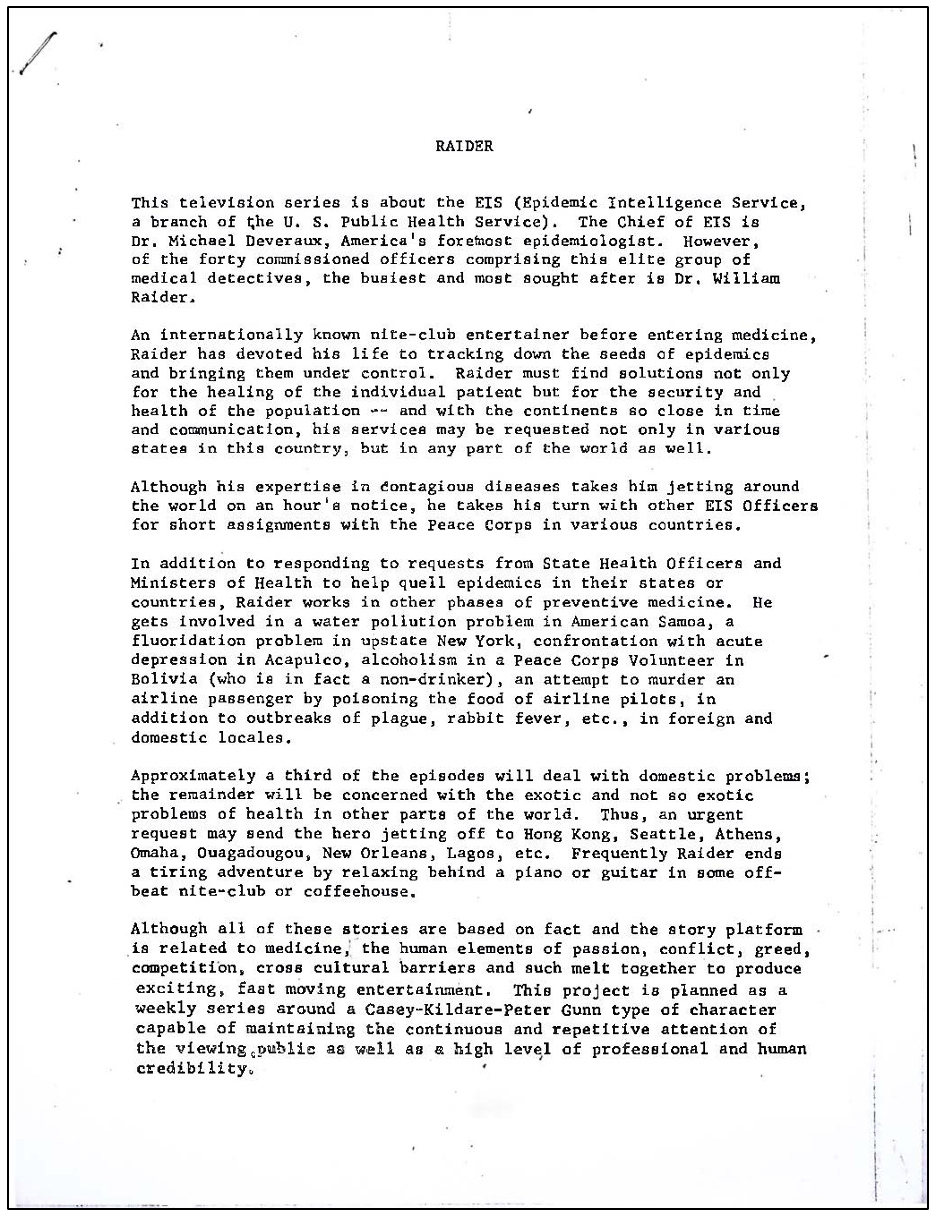
Armed with their prospectus, Smith and Hale began pitching to television networks and potential sponsors in 1966, launching what would prove to be a years-long journey through the labyrinthine world of television production.
Smith’s growing network of connections reflected his reputation as a physician who was full of ideas and had significant amounts of high-level government experience. While pursuing the RAIDER project, he had been making his mark at the Surgeon General’s office, working on healthcare delivery innovations that would soon lead to his role with the U.S. delegation to the World Health Assembly and eventually to his groundbreaking MEDEX concept.
Their first encouraging words came from Dean McKay, Vice President of Advertising at IBM, who stated in March 1966: “If I were to recommend IBM do any long-term sponsoring, I would like to see us go with this.” McKay arranged for Smith to meet with executives at the advertising agency Ogilvy and Mather, who advised that they needed to hire a writer and produce a pilot script to move forward.

The reception from television networks proved more challenging NBC’s offices, with their panoramic views of Rockefeller Center, seemed to represent the very pinnacle of television power. But Herb Rosenthal, Vice President of Program Development, barely glanced at the prospectus before pushing it aside.
“Health, Education, and Welfare projects are poison,” he said bluntly, referring to a previous misunderstanding with the Robert Taylor Show. “We got burned once. It won’t happen again.”
“This isn’t a government project,” Smith countered, frustration evident in his voice. “It’s a medical adventure series with educational value.”
Rosenthal’s expression remained unmoved. “NBC is not interested in your project.”
Hagerty listened intently, nodding as Smith laid out the concept. The pitch had been honed to perfection by now—fast, compelling, undeniable. There certainly was no show like this on television.
By early 1967, RAIDER had gathered significant interest from several other potential sponsors. The project gained momentum when Smith met with Ned Garrity of International Telephone and Telegraph (ITT) in June 1967, who arranged a meeting with Jim Hagerty, Vice President of Corporate Relations at ABC.
When Smith finally met with Hagerty, he explained his vision for the show.
“RAIDER is a series of high-stakes stories about an international medical detective,” he said. “He’s a man who jets off at a moment’s notice to any part of the world to help governments contain raging epidemics. Sometimes, he prevents a smoldering health crisis from exploding into catastrophe. Other times, he uses his investigative skills to uncover the obscure cause of a single, baffling illness. The stakes are never just personal—they are global.”
Hagerty listened intently, nodding as Smith laid out the concept. The pitch had been honed to perfection by now—fast, compelling, undeniable. There certainly was no show like this on television. Hagerty seemed engaged, even impressed.
But after the meeting, the excitement faded into silence. Weeks passed. Then months.
The humidity of Washington D.C.’s summer gave way to fall crispness, and still no word from ABC. Smith’s calls went unreturned, his follow-up letters unanswered.
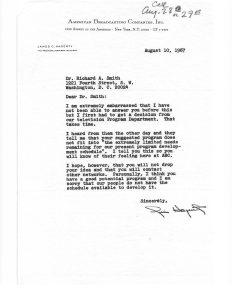
Finally, in August 1967, a letter from Jim Hagerty arrived.
“I am extremely embarrassed that I have not been able to answer you before this,” he wrote. “But I first had to get a decision from our television Program Department. They tell me that your suggested program does not fit into the extremely limited needs remaining for programming for our Fall 1968 schedule.”
Smith read the words twice, then set the letter down on his desk, where late afternoon sunlight illuminated the corporate letterhead. He later learned that ABC’s West Coast office had called RAIDER one of the best ideas they had seen in years, but their New York office—where the final decision rested—hadn’t fully grasped the scope of what RAIDER could be.
By 1968, the concept for RAIDER had evolved into a dynamic, character-driven series. The show’s lead was now more complex—before medicine, he had been an internationally known nightclub entertainer, comfortable in the glow of stage lights, effortlessly captivating audiences with his piano playing and smooth baritone voice. It’s not hard to imagine where Smith, himself a smooth singer and piano player some years earlier, came up with these additional details. And like Smith, Raider had walked away from that world, choosing instead to devote his life to tracking down and stopping epidemics.
The stories would take him across continents, from investigating a poisoning plot on an international airline to addressing a mental health crisis in Acapulco, or from helping Peace Corps volunteers in remote regions to tackling a fluoridation dispute in upstate New York.
Having some of episodes take place in U.S. locations reinforced that public health threats weren’t just an issue overseas. But the heart of the series was its international scope: A single urgent call could send Raider jetting off to Hong Kong, Lagos, or Athens, confronting both the science of disease and the human conflicts that allowed it to spread.
More than a medical show, RAIDER promised high-energy, character-driven storytelling—a weekly series where passion, conflict, cultural clashes, and human resilience played out against the backdrop of real medical situations drawn from Smith’s own experiences and the case files of the Epidemic Intelligence Service.
It felt like the moment Smith and Hale had been waiting for. CBS was looking for something that could push the boundaries of medical storytelling; the timing seemed perfect.
In May 1968, a breakthrough seemed imminent when Smith met with Tom Dawson, the President of CBS Television. Smith arrived at the CBS Building on 52nd Street, its stark vertical lines and dark granite exterior earning it the nickname “Black Rock” among industry insiders—a sharp contrast to the sprawling media complexes of competing networks.
In Dawson’s expansive office, Smith delivered the RAIDER pitch one more time. The room was silent except for his voice and the occasional scratch of Dawson’s pen on a notepad.
When Smith finished, Dawson leaned forward, his expression serious but engaged. “RAIDER is something we need and have been looking for,” he said, his voice carrying the authority of someone who could greenlight a series with a single word. “This is fresh, bold programming—exactly the direction CBS should be moving in.”
It felt like the moment Smith and Hale had been waiting for. CBS was looking for something that could push the boundaries of medical storytelling; the timing seemed perfect.
Smith left the meeting buoyant, the spring air of New York matching his mood as he walked through Midtown, mentally calculating how quickly they could move from pitch to production.
Then, two weeks later, came the blow.
A call came from Dawson’s office: CBS had already committed to a competing project. Just weeks earlier, in fact, they had signed a deal with 20th Century Fox to develop a television adaptation of the 1950 film Panic in the Streets. The movie, a noir thriller, followed a New Orleans doctor and a police captain racing to stop an outbreak of pneumonic plague. The premise wasn’t identical to RAIDER, but it was close enough to make CBS hesitant about investing in two medical detective shows.

Then came an unexpected offer.
Fox’s head of production invited Smith to provide technical assistance and writing for their proposed adaptation. His expertise could help shape the series, possibly even bringing elements of RAIDER into it.
“This is an opportunity to get your ideas on screen,” the Fox executive said over the phone, his voice smooth with practiced persuasion. “Maybe not exactly as you envisioned, but isn’t that better than nothing?”
But Smith refused.
“I do not intend to let RAIDER become a footnote in someone else’s project,” he told himself. “I have my own show to fight for.”
He had spent years developing RAIDER—shaping its stories, defining its lead character, refining its mission. Working on a competing show, even in an advisory capacity, would mean compromising everything he had worked for. If RAIDER was going to exist, it had to exist on its own terms.
Despite the setback, Smith pressed forward. By late 1968, he was meeting with new potential sponsors, refining the pitch once more, determined that RAIDER would find its place on television.
By late 1968, Smith’s persistence began to pay off. Alan Wagner, Vice President for Program Development at CBS, had heard about RAIDER through industry channels and requested a meeting.
Wagner’s office was smaller than Dawson’s, but it was warmer, lined with books and scripts rather than awards and corporate art. As Smith outlined RAIDER once more, Wagner listened with genuine interest, occasionally interrupting with thoughtful questions.
“Your conception of television as a triple vehicle—information, entertainment, and involvement—is fascinating,” Wagner told him, setting down his coffee cup. “Most producers only think about the first two dimensions.”
At that, Smith leaned forward. “That third dimension—involvement—is what sets RAIDER apart,” he said. “We’re not just telling stories. We’re giving viewers information that could protect their own health and that of their loved ones.”
“Imagine viewers tuning in week after week not just for entertainment but because they feel they might learn something that could literally save their lives,” Smith continued, warming to the subject. “That’s the kind of programming that builds loyal audiences.”
Wagner nodded, his expression thoughtful. “Medical shows have always drawn viewers. But what you’re proposing goes beyond that. It’s not just about one patient, one hospital. It’s global. It’s relevant.” He paused, then added with quiet certainty, “I think now is the time to get started on RAIDER.”
In June 1969, nearly four years since the idea first began to take shape, the network finally greenlit a pilot for RAIDER.

CBS assigned John Mantley, the producer of the hugely popular and long-running Western Gunsmoke, to develop the pilot. Mantley in turn hired Ron Bishop, a television writer with experience in action and adventure series, to craft the script.
Smith provided extensive background materials, including real case studies, and expected to be actively involved in shaping the pilot. Weeks passed with minimal communication. When he called to check in, he was told that Bishop was “making good progress” and that he would see the script “soon.”
Instead of sophisticated medical detective work, Bishop’s script emphasized physical confrontations: Raider in fistfights with local thugs, dodging bullets, and engaging in car chases. Worse, the racial elements that Smith had intended to be incidental had been pushed to the foreground.
Finally, on a rainy October afternoon, the script arrived at Smith’s office. He cleared his desk, poured a cup of coffee, and began to read.
With each page, his expression darkened.
The RAIDER he had fought for—the show about global medical investigations, public health crises, and a doctor solving mysteries with intellect and skill—had been warped into something unrecognizable.
Instead of sophisticated medical detective work, Bishop’s script emphasized physical confrontations: Raider in fistfights with local thugs, dodging bullets, and engaging in car chases. Worse, the racial elements that Smith had intended to be incidental had been pushed to the foreground. Rather than a brilliant doctor who happened to be Black, Raider had become defined by racial conflict, facing overt discrimination in nearly every scene.
One particularly troubling sequence had Raider physically fighting with a white Southern doctor who refused to work with him—a scenario that contradicted everything Smith had specified about the character’s standing and expertise transcending racial barriers.

Smith quickly wrote to Mantley, pushing back against the script’s direction.
“I am deeply concerned about the direction Bishop has taken,” he wrote. “RAIDER was never conceived as an action series or a show about racial conflict. It was designed to highlight the drama of public health crises—situations where lives hang in the balance because of disease, not because of contrived physical danger.”
He continued: “The racial elements especially trouble me. Our vision was for a character so competent, so essential, that his race becomes secondary to his expertise. This script does the opposite—it makes race the central conflict in almost every interaction.”
By late October 1969, CBS executives reviewed Bishop’s script and subsequently shelved the project.
Smith was furious.
“I could kick myself for not having insisted more strongly on spending time with the writer,” he told Bernadette Hale over the phone, pacing in his office. “Bishop fundamentally misunderstood what makes RAIDER unique. He turned a medical detective show into a standard action series with racial tension as a hook. That’s not what RAIDER is about.”
In November, Alan Wagner admitted the mistake in a letter that arrived on Smith’s desk.
“I have to plead mea culpa. Indeed, mea maxima culpa,” Wagner wrote, the Latin phrase underlined twice. “I should indeed have fought much more strongly to get you more deeply involved in the creative aspects. The script failed to capture what makes your concept special.”
Wagner promised that CBS would reconsider RAIDER in January 1970.
But Smith had now been around the television world long enough to know that when a project gets shelved, it rarely comes back.

By August 1968, Smith had already moved to Seattle to launch the MEDEX program at the University of Washington—an innovative initiative to train former military medical corpsmen to become physician assistants, extending healthcare to underserved communities. The program was growing rapidly, demanding more of his time and energy.
Nevertheless, Smith continued pushing for RAIDER. The vision of what television could do—how it could educate while it entertained—remained as compelling to him as ever.
In May 1970, in a moment of audacity, Smith would make one final push, writing to Alan Wagner suggesting that he himself might play the role of Raider.
“If RAIDER ever moves as a television series,” he wrote, “and if we want to accomplish the myriad of objectives that we have discussed, I should take a crack at the role of Raider. The far-out prospect of obtaining information for one’s self-protection at a time of soaring medical care costs and unavailability of services via the media of commercial television programming needs exploration… when he talks about things relating to health, they believe him because he is a professional… a real live doctor.”
Wagner never directly responded to this suggestion. But CBS did make one final attempt with RAIDER in 1970, assigning writer David Shaw to develop a new pilot script.
This effort, too, faded into silence as months passed without updates.
By July 1972, Smith received a letter from Thomas Kuhn at Warner Bros., who had also been trying to develop RAIDER.
“I think the time has finally come when we have to wave our little white flag and surrender on the RAIDER project,” Kuhn wrote, his formal language barely disguising the disappointment beneath. “If my compatriots here at Warner Bros. and I were being unsuccessful with everything, I would tell you have simply picked the wrong shot. However, we are selling gobs of things in development, and between us, many of them don’t have the merits of your goodie. So, the fact that we can’t get RAIDER off the ground tells me we are batting our heads against an immoveable wall.”
Smith filed the letter away carefully in a drawer already filled with RAIDER correspondence—the growing archive of a dream deferred. After seven years of effort, the project that could have revolutionized both health education and representation on television was officially dead.
Among the many casualties of RAIDER’s journey was a musical dimension that few ever experienced. Years earlier, as Smith had developed his vision, he understood that a television series needed more than just compelling stories and characters—it needed a signature sound that would capture the show’s global scope and adventurous spirit. For this critical element, he turned to an old friend whose musical journey had been intertwined with his own since childhood.
Sitting in Silver’s living room, Smith watched his old friend’s fingers glide across the piano keys as he played an early version of “Par for the Course.” The melody was sophisticated yet accessible—complex enough to suggest the intellectual nature of Raider’s work, but catchy enough to stick in viewers’ minds week after week.
Smith and jazz pianist Horace Silver grew up together in Norwalk, Connecticut, having crossed musical paths when they were barely teenagers. Back then, Richard had been on piano with Horace playing tenor saxophone, their youthful talents complementing each other as they created melodies that seemed to float through the air of local venues. While both studied under the watchful eye of Professor W. Allen Schofield, they had ventured beyond classical training to explore jazz together, performing in local nightclubs when Richard was just fifteen.
Where Smith had eventually turned his focus to medicine, leading him through the Peace Corps in Nigeria and into international public health, Silver had devoted himself entirely to music, becoming one of the architects of hard bop jazz, composing standards like “Song for My Father” and “The Preacher” that had made him a respected name in the jazz world.
In late 1967, as RAIDER took shape in his mind, Smith knew exactly who should create its musical identity. There was something fitting about reconnecting with Horace for this project. Smith’s own journey had taken him from those seven-piece jazz bands of his youth to USO performances at military camps, then medical school, Africa, and now to the precipice of creating a groundbreaking television series. Silver’s musical evolution had been equally remarkable.
Sitting in Silver’s living room, Smith watched his old friend’s fingers glide across the piano keys as he played an early version of “Par for the Course.” The melody was sophisticated yet accessible—complex enough to suggest the intellectual nature of Raider’s work, but catchy enough to stick in viewers’ minds week after week.
It’s like we’ve come full circle, Smith thought as he listened. From playing jazz together as kids in Norwalk to creating this theme for a groundbreaking television series. The music sounds nothing like what we played back then, but that same spirit is there.
Smith envisioned the theme beginning with a driving bossa nova rhythm, establishing a classy, cosmopolitan foundation. From there, it would transform through musical “geographical excursions” that reflected the global nature of Raider’s missions. He was going for Middle Eastern motifs reminiscent of Khachaturian’s “Saber Dance” that Smith had once practiced so diligently, along with Far Eastern textures, African rhythms he’d absorbed during his years with the Peace Corps, touches of soft rock, and American popular music.
Their shared background made the collaboration natural. Silver intuitively understood what Smith was trying to accomplish with RAIDER—both the entertainment value and the deeper mission. Having grown up in the same community, studied with the same teacher, and explored jazz together in their formative years, they shared reference points that made communication about the project effortless.
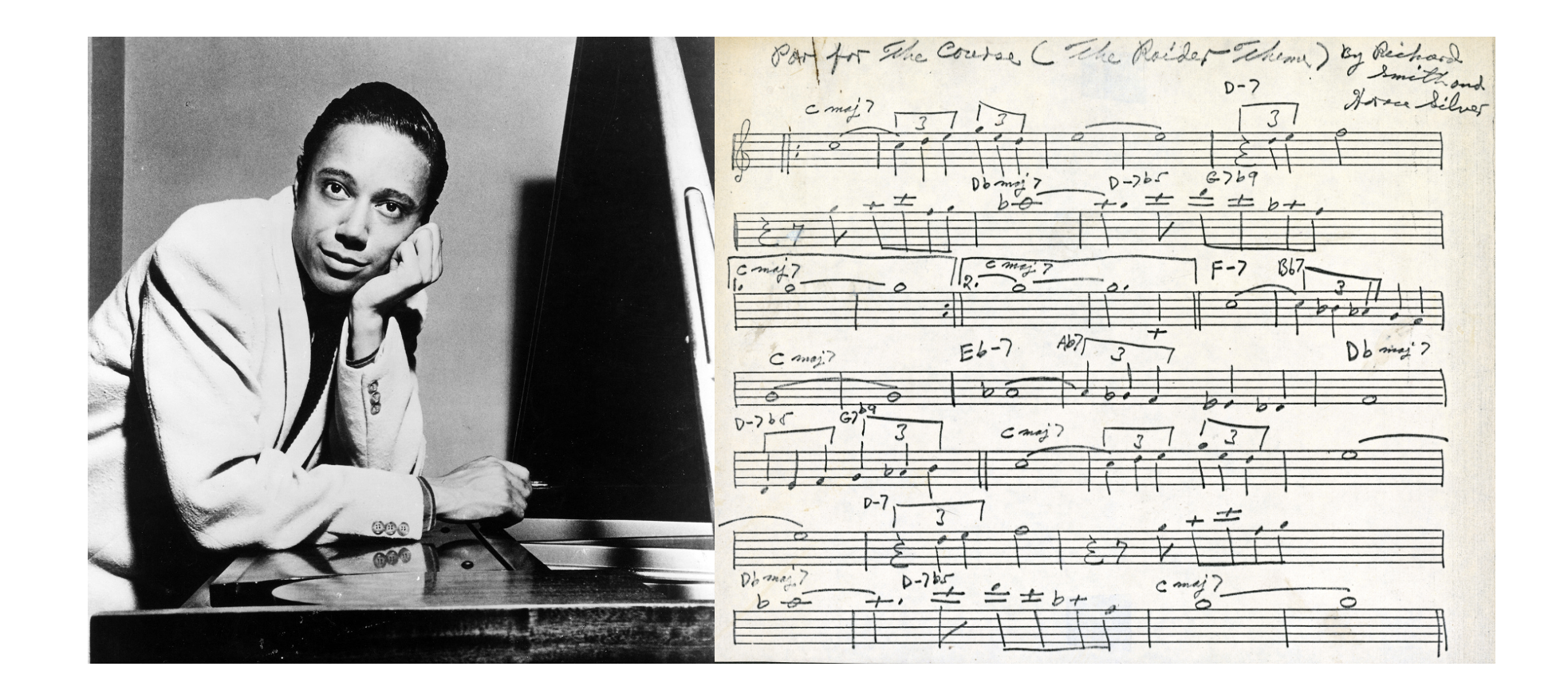
By September 1967, Silver was planning to copyright the tune through his publishing company. Smith felt they were building something special; he hoped the theme would become instantly recognizable to television audiences across America.
Smith also enlisted his friend from the Howard University vocal group the Highlanders, Sam “Dini” Clarke, to help develop the theme further. In October 1969, as CBS was still considering the project, Smith wrote to Clarke: “I hope you get together with Horace and work out something with him.” He envisioned Clarke expanding on Silver’s composition, creating the assorted geographical variations they had discussed.
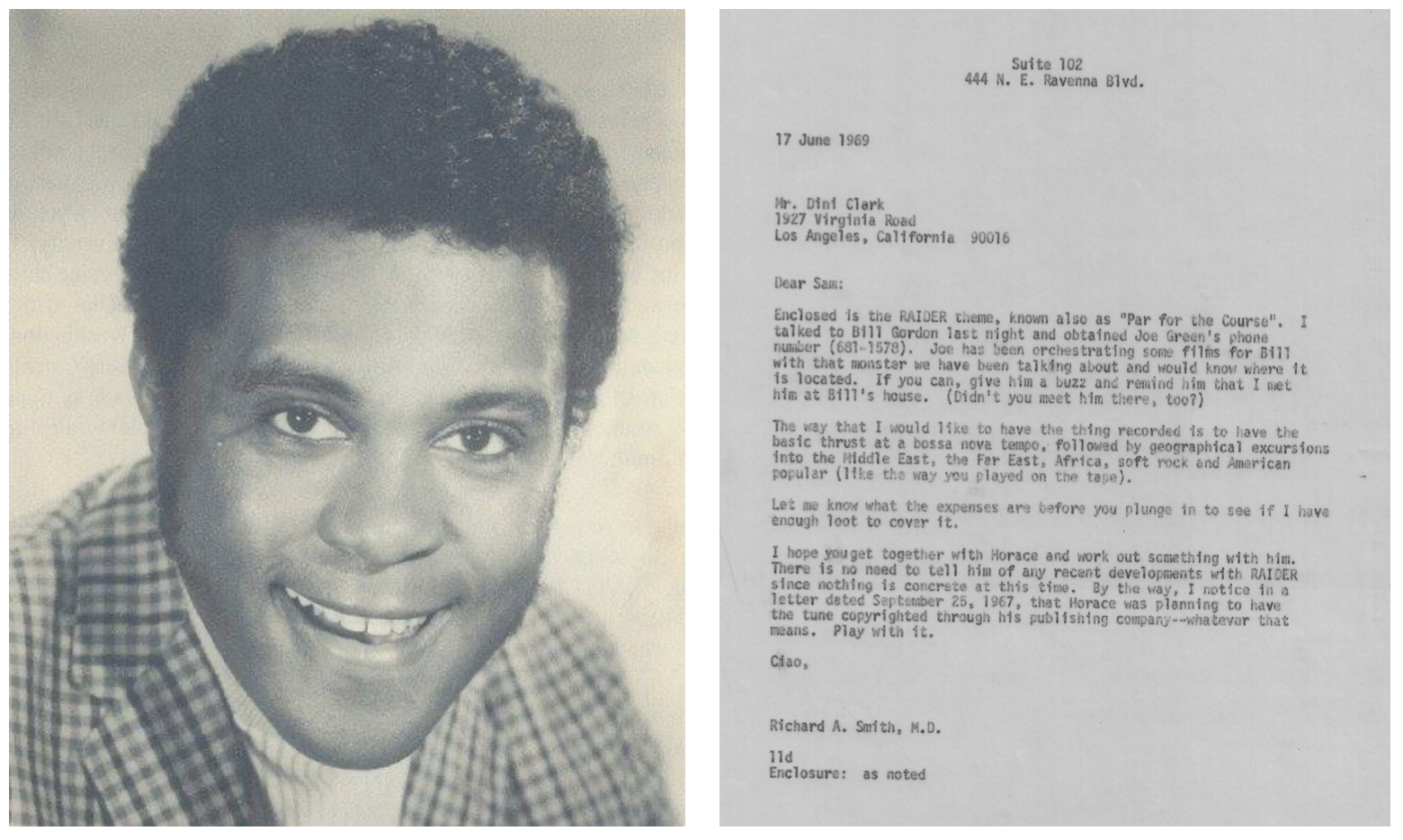
Even as the television project faced setbacks, Smith continued to pursue the musical element of his vision. The theme represented more than just background music; it was another dimension of RAIDER’s unique blend of entertainment and education, using musical cues to subtly acquaint American audiences with global soundscapes.
Smith worked with recognized music industry contacts to create a full orchestral arrangement of Silver’s theme. He imagined viewers hearing those first distinctive notes each week and settling in for another global adventure with Dr. William Raider.”
But like the series itself, its theme “Par for the Course” would remain unheard by television audiences. This was another element of RAIDER’s unrealized potential, existing only in the memories of those few who had been privileged to hear it during those years of development and hope. By 1972, with Warner Bros. also abandoning the project, Smith reluctantly filed away the lead sheet along with the rest of the RAIDER materials—a musical ghost of what might have been.
By 1975, Smith had largely redirected his energies to the MEDEX program, which was transforming healthcare access across the country and around the world. The television dream, while not forgotten, had receded into the background of his busy life until something unexpected reopened the wound:
A two-hour made-for-television movie called THE SPECIALISTS aired on NBC.
 Produced by Universal Studios and Jack Webb, the film followed inspectors from the U.S. Public Health Service as they tracked down the causes of mysterious outbreaks among the general population. The premise was strikingly like RAIDER’s concept of medical detectives solving public health emergencies.
The industry noticed immediately. Smith’s phone began ringing with calls from television professionals who recognized the parallels between this new production and the RAIDER concept they’d heard about or read about in trade publications. One conversation particularly stung: A potential producer who had been interested in reviving RAIDER called to withdraw his support.
“Why pursue RAIDER now?” he asked. “Universal already has this.”
The similarities were too specific to be coincidental. Smith began reconstructing a timeline, trying to understand how Universal could have developed a concept so like his own. The answer lay in a brief meeting seven years earlier that had seemed inconsequential at the time.
In 1968, armed with a letter of introduction from Peace Corps Director Jack Vaughn, Smith had secured a meeting with Lew Wasserman, the formidable head of Universal Studios. During their brief 10-15-minute conversation in Wasserman’s office, Smith had handed over the RAIDER prospectus—the document that contained his vision, character descriptions, and sample storylines. “I’ll have our television people look at this,” Wasserman had told him.

The prospectus remained at Universal for six months before being returned without comment. Smith and Hale had interpreted the silence as rejection and moved on, focusing on other potential partners. In the years that followed, RAIDER had appeared in trade publications as Smith continued his efforts to find it a home. Two pilot attempts had been made but failed when violence was added to the scripts against Smith’s wishes. After these setbacks, Smith and Hale had deliberately cooled promotion of the series for nearly two years.
And then, seemingly out of nowhere, THE SPECIALISTS appeared, with a concept that mirrored the core of RAIDER’s identity, produced by the very studio that had once held Smith’s prospectus for six months.
For Smith, this wasn’t just professional disappointment. It was personal. RAIDER wasn’t simply a television concept to him; it represented his vision for using entertainment to save lives, his belief that a Black protagonist could lead a series based on his expertise rather than his race, and his conviction that television could educate while it entertained. Seven years of work—of meetings and rejections and persistence—had culminated not in his show reaching the screen but in watching elements of his vision emerge in someone else’s production.
The appearance of THE SPECIALISTS didn’t just derail any remaining hopes for RAIDER; it transformed Smith’s long journey from one of creative persistence to one of intellectual justice. This was a matter that he and his creative partner Bernadette Hale were not willing to let rest.
By 1978, Smith had joined Hale’s lawsuit against Universal Studios and Jack Webb. In July of that year, he wrote to Jack Vaughn, who was then working in Iran, to inform him of the situation, given that Vaughn’s letter of introduction was part of the evidence.
“Our effort with RAIDER has been severely damaged,” Smith explained in his letter, “and I don’t intend to allow Universal to maintain it as their property since we can prove access and similarity beyond doubt. Only through the courts can we now pursue our original objectives for this idea.”
The lawsuit would drag on for years and eventually be settled out of court. Smith and Hale received a pittance in recompense and that, it would seem, was that.
The legal battle had already revealed troubling inconsistencies. Wasserman had denied ever meeting Smith or hearing about RAIDER. Smith’s evidence included his personal calendar, which had the appointment with Wasserman clearly listed and described. Yet Smith discovered that “that particular day’s page is mysteriously missing from Wasserman’s secretary’s diary.”
Wasserman’s position was absolute: He was “insisting that he has neither seen nor heard of me,” Smith wrote to Vaughn. The denial was particularly galling given that Smith had Vaughn’s letter of introduction as proof of the meeting’s arrangement, along with his detailed account of personally handing over the prospectus to Wasserman in his office.
The lawsuit would drag on for years and eventually be settled out of court. Smith and Hale received a pittance in recompense and that, it would seem, was that. For most people, such an outcome might not have been worth the cost and effort. But for Smith, this wasn’t simply about potential compensation or even seeing RAIDER finally produced. It was about principle, about standing up for the integrity of an idea that could have changed television for the better and ensuring that the work he had poured into RAIDER for nearly a decade wasn’t simply absorbed into someone else’s creation without acknowledgement.
In the decades that followed, as Smith watched medical dramas and detective shows dominate television ratings, he would sometimes allow himself to wonder what might have been if RAIDER, complete with the inventive theme song “Par for the Course” that he and Horace Silver had crafted for it, had made it to America’s living rooms in the late 1960s.
How many lives might have been saved by the health information subtly conveyed through entertaining stories? How might the image of Black professionals on television have evolved differently if RAIDER had preceded shows like Trapper John, M.D. or St. Elsewhere? How might American television itself have changed if it had embraced the concept of the “triple vehicle”—commercial television providing information, entertainment, and involvement—he had advocated?
As global health challenges emerged and public health gained more attention in the media, the visionary nature of Smith’s concept would become increasingly apparent.
Of course, on closer examination, medical television shows did in fact gradually begin to incorporate the types of narrative elements that Smith had envisioned for RAIDER. Series like Medical Center and ER occasionally ventured beyond hospital walls to address public health issues. Shows like House embraced the medical detective format, focusing on the puzzle of diagnosis rather than just treatment. And series like Medical Investigation focused on disease detectives battling outbreaks—concepts remarkably like what Smith had proposed nearly four decades earlier.
Black doctors also became increasingly visible on television, from Eric Laneuville’s character on St. Elsewhere in the 1980s to central roles on shows like ER, Grey’s Anatomy, and New Amsterdam.
As global health challenges emerged and public health gained more attention in the media, the visionary nature of Smith’s concept would become increasingly apparent. Global health crises like AIDS, Ebola, and emerging antibiotic resistance not only dominated news stories, but found their ways into the storylines of serial narratives. What had seemed specialized in the mid-to-late-1960s became a mainstream public concern by the turn of the century, and the Hollywood storytelling machine was finally finding ways to extend and engage rather than avoid the discussion. Or clean it up.
And so, the ghost of RAIDER remains—a symbol of a revolutionary idea that had been ahead of its time, a vision of how entertainment could educate and inspire, and a reminder that sometimes the most important battles are fought not against diseases, but against the systems that allow them to spread.
In 1966, while television executives deliberated over his entertainment vision, Richard Smith could be found in the corridors of the Surgeon General’s office developing and preparing to test the waters for his healthcare delivery concept in an unexpected forum. Throughout his time at the Office of International Health, he had pursued both endeavors with characteristic tenacity—advancing RAIDER through Hollywood’s maze while simultaneously cultivating support for his healthcare delivery concept. This dual-track approach wasn’t a philosophy so much as it was quintessentially Smith: A man who possessed, in his own words, the “guts and imagination” to tackle challenges that others avoided. Where established systems resisted change, Smith saw opportunity; where conventional wisdom said “impossible,” Smith saw pathways forward.
As Surgeon General Stewart prepared to join Eugene Black’s delegation to Southeast Asia, Smith saw an opportunity to assess international interest in his healthcare vision. He did not anticipate that the most difficult question would not focus on feasibility or implementation, but rather on why such an innovative approach had never been attempted in the United States.