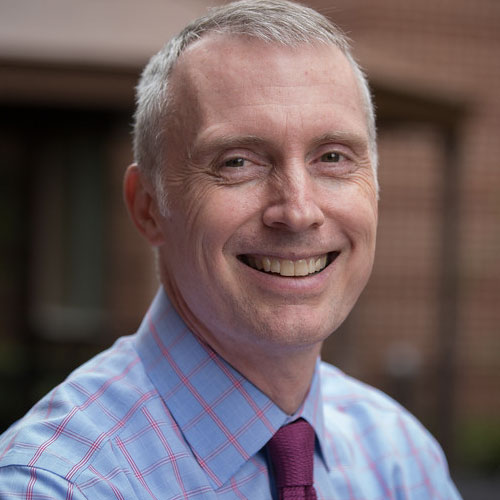
 The UW Department of Family Medicine, including the WWAMI Rural Health Research Center (RHRC) and Center for Health Workforce Studies (CHWS), mourn the loss of Professor Davis Patterson who passed away on Wednesday, June 17, 2026.
Davis first joined the Department in 2002 as a PhD student in sociology at UW from which he then built a successful research career moving from graduate research assistant in the WWAMI RHRC to research scientist (2005-2013) to faculty (2014-2026), with a brief two-year interlude in the private sector. He achieved the rank of Full Professor on the research track in 2025. He was a long-time investigator in both WWAMI RHRC and UW CHWS.
Davis held multiple leadership positions in the Department, serving as the Deputy Director (2013-2020) then Director (2020-2024) of the WWAMI RHRC, Director (2015-2022) of the Collaborative for Rural Primary Care Research, Education, and Practice (Rural PREP) and Deputy Director (2022-2024) of the Health Workforce Research Center on Health Equity housed in CHWS. He often collaborated with researchers across UW and other universities.
Davis attributed the beginnings of his research journey as a sociologist to his experiences compiling adult education data as a Peace Corps Volunteer in Belize in the 1980s. He then dedicated his life to studying how to improve healthcare access for rural and underserved populations. Davis was a prolific rural health and health workforce researcher with approximately 200 peer-reviewed articles, reports, and briefs. He was a sought-after speaker, delivering nearly 300 presentations to researchers, policymakers, clinicians, educators, employers, among others on local, state, regional, national, and international stages. He led research examining and identifying ways to support the primary care and allied health workforces and explored innovative models such as community paramedicine, work that helped shape rural and workforce policy and practice across the country.
Davis’s contributions to rural health and health workforce research leave a lasting mark on our field and our community. He most recently was awarded a Legacy Medal by the Social Mission Alliance acknowledging his service, leadership, and support in advancing the social mission of health professions education to achieve equitable health outcomes. He also received the distinguished Rural Medical Training Collaborative’s 2026 Leadership Award which “highlights exemplary leadership in advancing rural medical education while demonstrating a steadfast commitment to training and teaching healthcare professionals who are equipped to meet the unique challenges of rural communities.” In 2024, Davis was recognized by his peers with the DFM Research and Scholarship Excellence Award.
In his own words, Davis was motivated to “work for positive change in the world” with life experiences that inspired in him “a commitment to social justice.” He applied his strong commitment to social justice within the Department, serving as a long-time member and eventually co-chair of the DFM Justice, Equity, Diversity, and Inclusion (JEDI) Committee. Moreover, he aimed to live by these values each day and apply them in his everyday work.
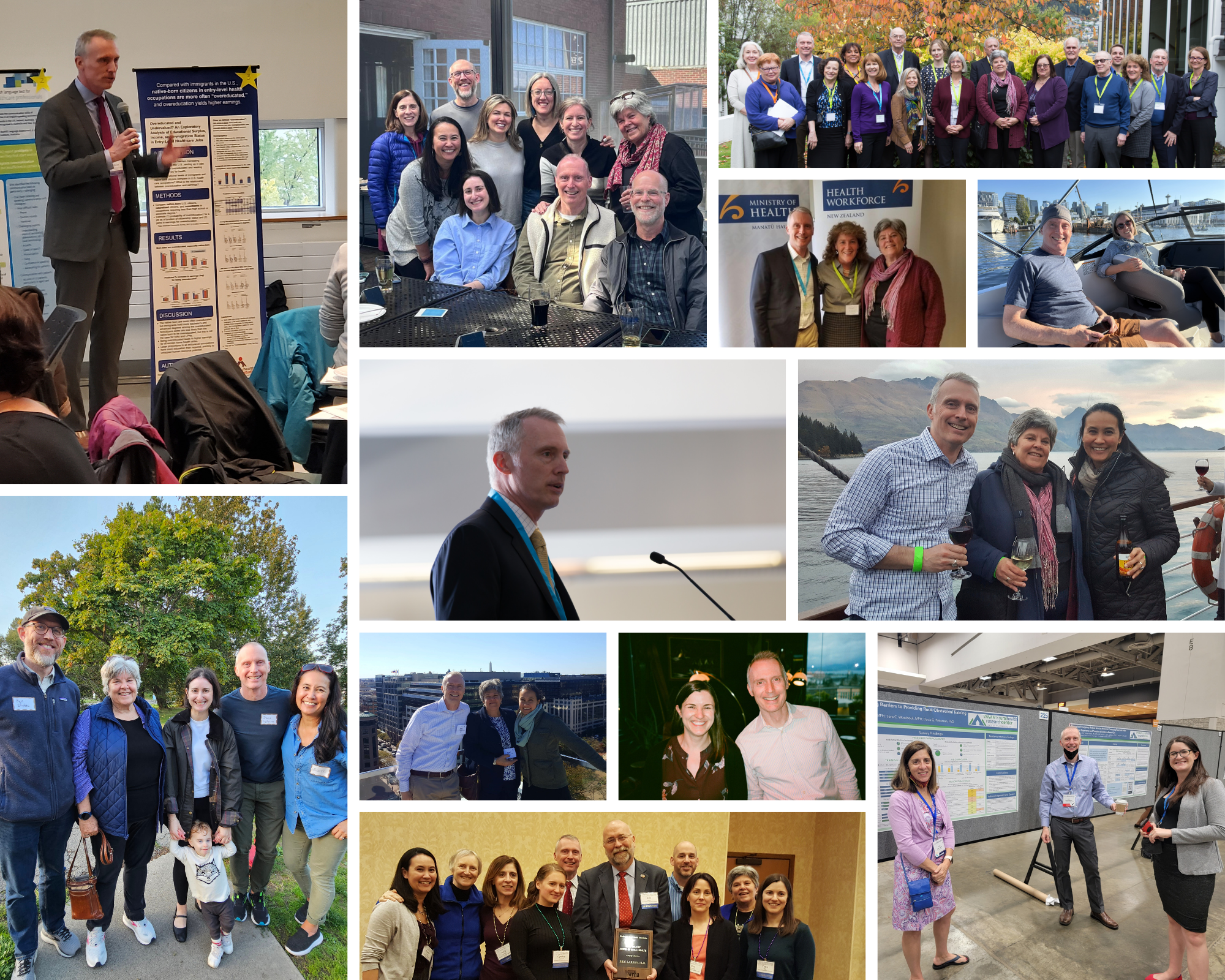
Davis was highly respected by colleagues who appreciated his thoughtful and insightful feedback. He was generous with his time, giving input on papers and projects, mentoring budding researchers, and providing career mentorship, often sharing with others his journey from research scientist to faculty.
Davis was a seasoned traveler who explored many parts of the world. He especially enjoyed visiting Portugal to go hiking and indulge in the country’s amazing food and wine with his spouse, David Reynolds. David was often by Davis’s side at Department events including the research section’s summer picnic and the DFM holiday brunch. Davis was an avid hiker and enjoyed walking around Green Lake, catching up with friends and colleagues along the way.
Davis was a foundational presence in our research community with a rare depth of knowledge on health workforce and rural health research, and he will be deeply missed. Many of us will hold close memories of working alongside Davis, remembering him for his warmth, enthusiasm, and the way he made you feel, which was that he was genuinely happy to have seen you. His legacy of scholarship, mentorship, and dedication will shape the health workforce and rural healthcare for years to come.
We extend our heartfelt condolences to Davis’s spouse David Reynolds, his broader family, and many friends and colleagues.