 MEDEX Northwest has been helping veterans enter the PA profession since its inception in 1969. The original goal to leverage military medical training and experience for a civilian PA career remains a key part of the MEDEX mission. This program accepts and educates the highest percentage of military veterans among civilian PA programs. With years of experience integrating veterans into the classroom, and having faculty who are also veterans, MEDEX is uniquely positioned to help veterans be successful in the transition into civilian life.
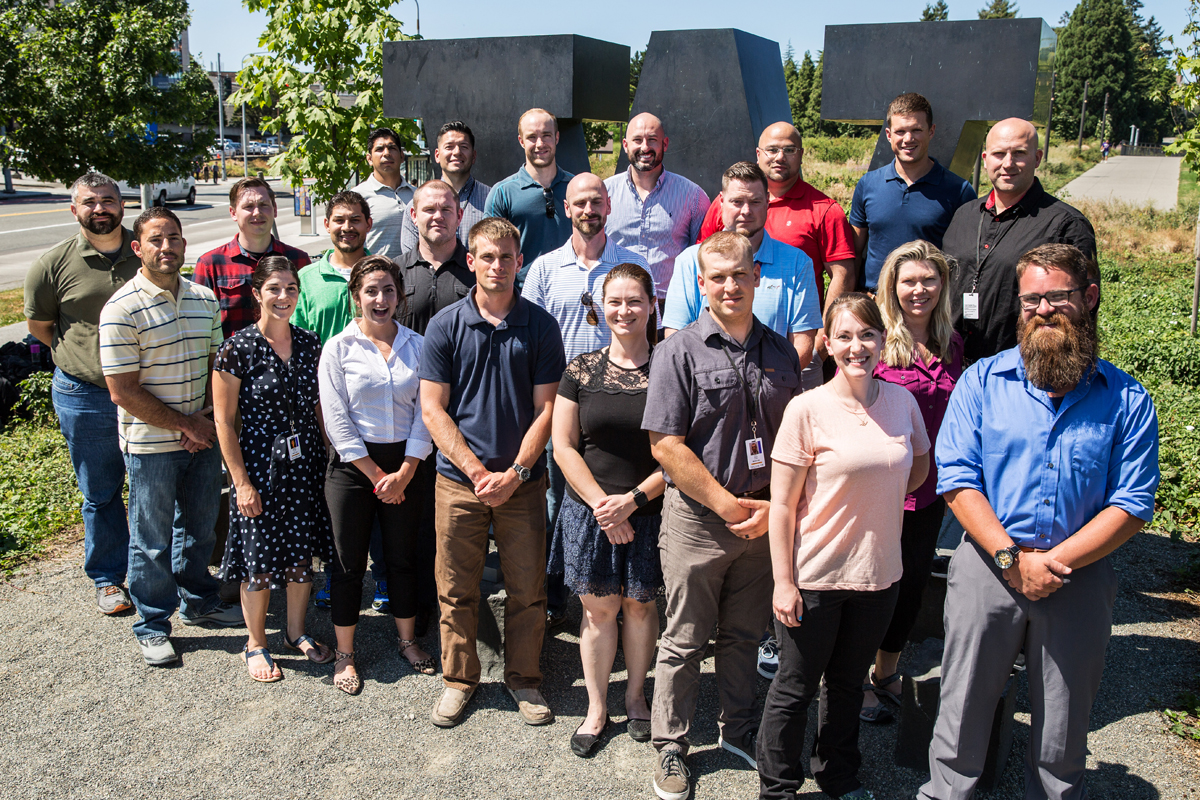
With the 2018 incoming class fully 25 of the 135 new students, or 19% of the cohort, come from a military background. The breakout is as follows: 11 Army, 7 Air Force, 4 Navy, 2 Marines and 1 Coast Guard.
On Tuesday, August 7, all 25 veteran students from the 2018 incoming class met for a veteran benefits orientation to learn about accessing various benefits available to them while attending MEDEX at the University of Washington.
MEDEX Northwest has been helping veterans enter the PA profession since its inception in 1969. The original goal to leverage military medical training and experience for a civilian PA career remains a key part of the MEDEX mission. This program accepts and educates the highest percentage of military veterans among civilian PA programs. With years of experience integrating veterans into the classroom, and having faculty who are also veterans, MEDEX is uniquely positioned to help veterans be successful in the transition into civilian life.
With the 2018 incoming class fully 25 of the 135 new students, or 19% of the cohort, come from a military background. The breakout is as follows: 11 Army, 7 Air Force, 4 Navy, 2 Marines and 1 Coast Guard.
On Tuesday, August 7, all 25 veteran students from the 2018 incoming class met for a veteran benefits orientation to learn about accessing various benefits available to them while attending MEDEX at the University of Washington.
[smartslider3 slider=177]
Tina Tanaka of the UW Veterans Office explained how these individuals could maximize their GI Bill benefits and other services. They also learned about various sources for scholarship funds through the national American Academy of Physician Assistants (AAPA) Veterans Caucus, the local Washington Academy of Physician Assistants (WAPA) Veterans Committee, and MEDEX itself. There is a wealth of support available to any veteran student looking to pursue these channels.
We’d like to introduce you to two of the veteran students from the 2018 incoming class. Their individual stories are representative of the wide-ranging experiences among all the MEDEX veteran students.
Coty Holm – Spokane Class 22
Coty Holm makes his home in Bozeman, Montana, although he’s lived in a lot of different places while following his father through medical school.
“We lived in Portland for quite a while my father was doing his undergrad at PSU (Portland State University) and his medical studies at OHSU (Oregon Health & Science University),” says Coty. Later, his father did a residency in North Dakota. “So, I did most of my high school a little way outside of Minot, ND.”
The senior Holm graduated from medical school when Coty was 14 years old. “It’s a big reason why I chose the PA profession,” explains Coty.

 When Coty enlisted in the Army he didn’t have a specific career goal in mind. “I just wanted to be in the Army,” he says. Because he had been an EMT, the recruiter pushed him hard to become a medic. “But I was kind of burned out on it.”
Coty was hoping for an enlistment bonus but arrived at a gap in time when the bonus was unavailable. His thinking was, “If I’m going to be in the Army and I can’t get an enlistment bonus, then I want to do something that I can’t do on the civilian side.”
So, Coty went to infantry school and saw a deployment to Iraq within three months.
“I spent 12 months in Iraq,” Coty says. “My youngest son was born about a month after I deployed. We already had two kids, and then my wife had a newborn. She was by herself most of the time, so that was pretty rough on her. That was a rough year for our family.”
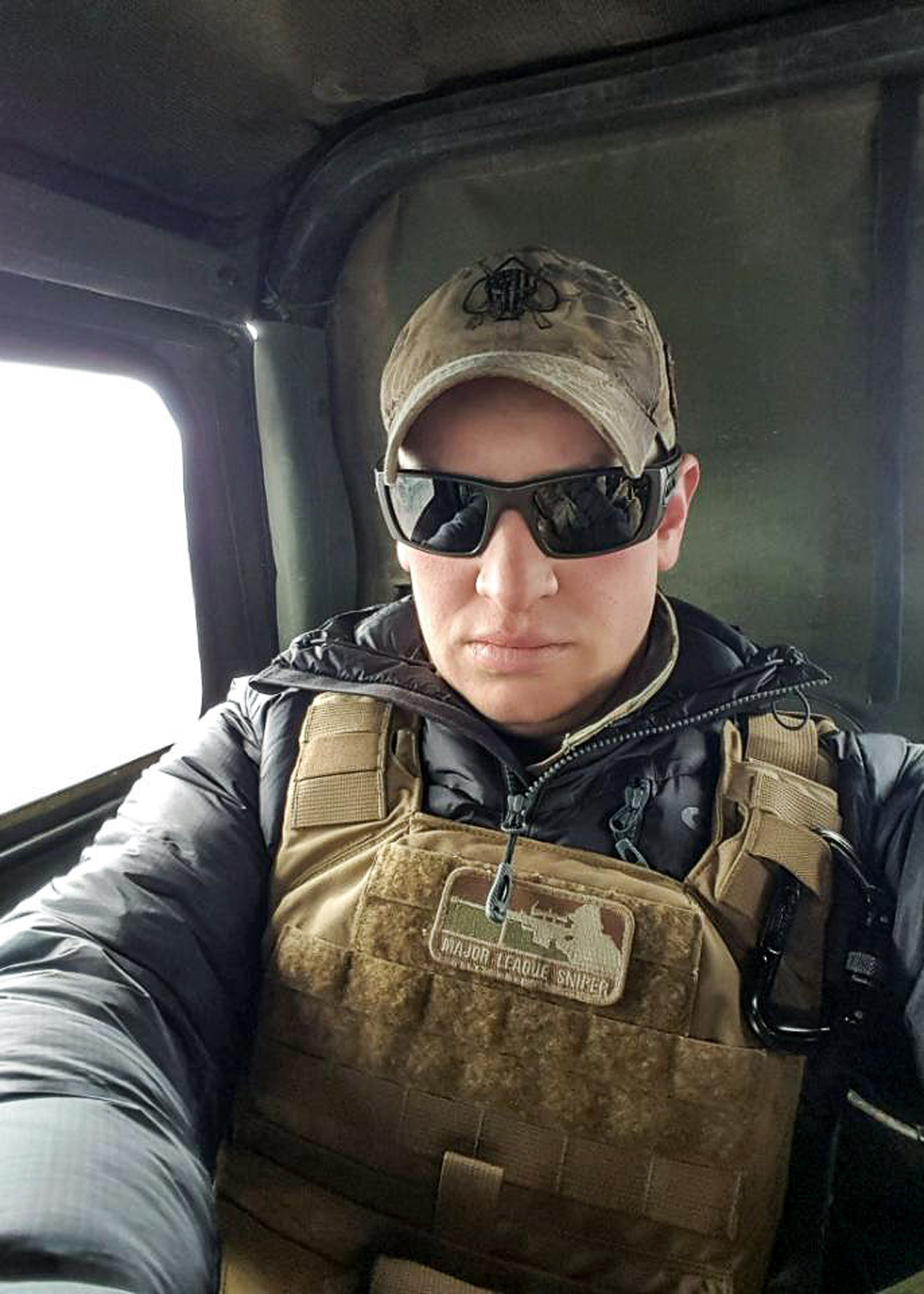
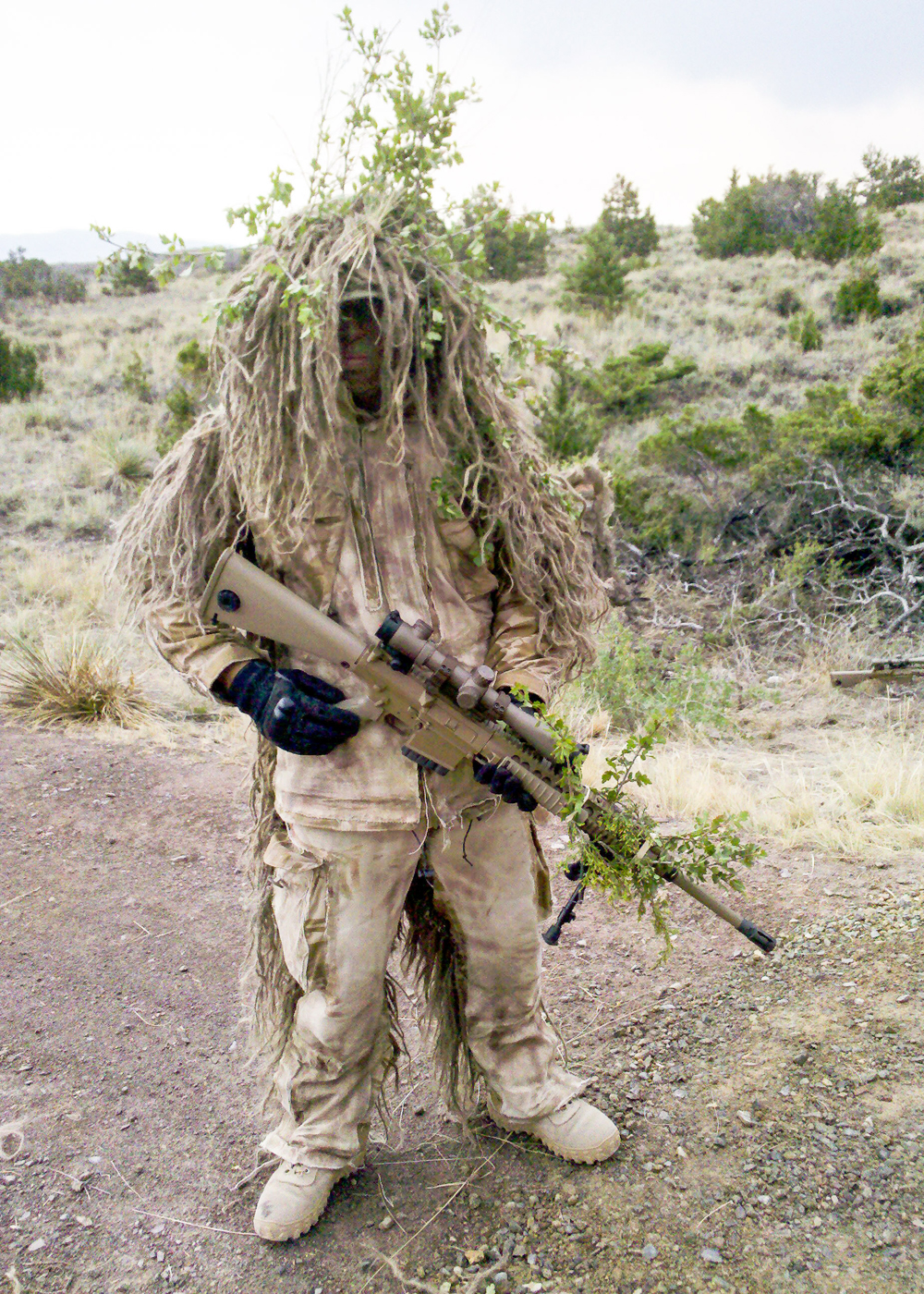
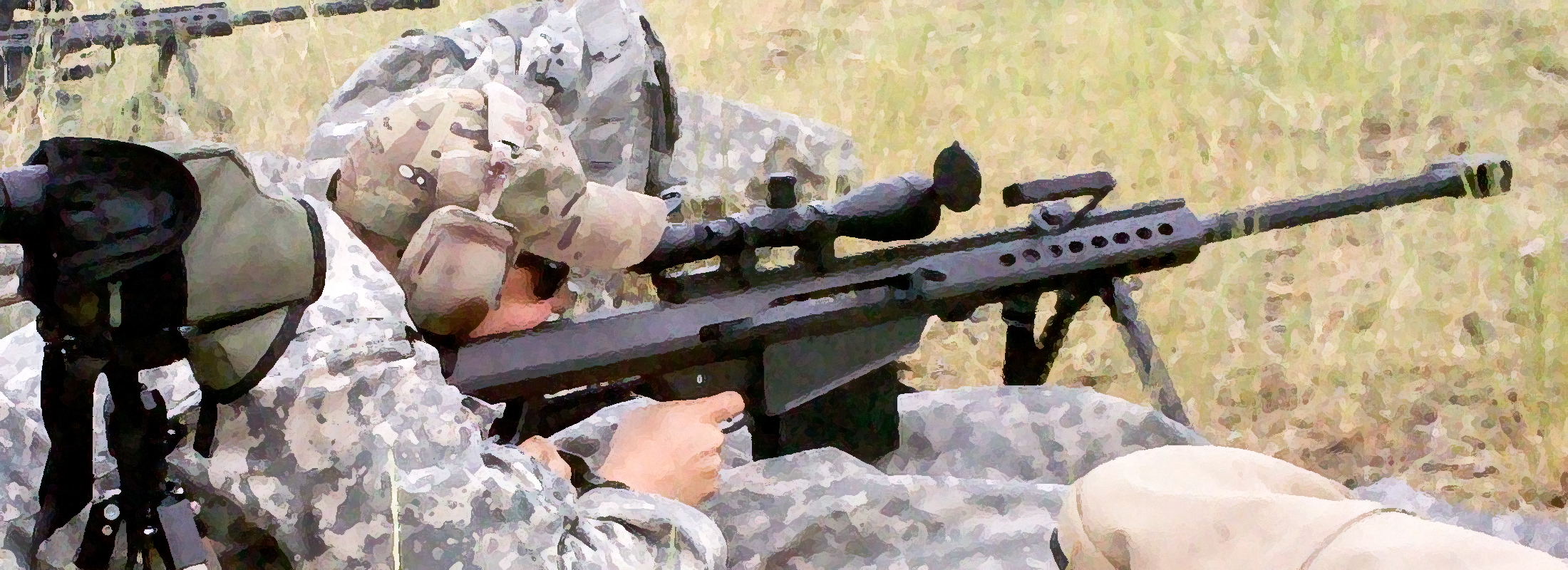
While in Iraq, Coty learned that his battalion had a sniper section. Towards the end of his deployment, he submitted his application for the sniper section. What followed was a two-week selection course, and then he was selected to join the section.
“I trained with them for a year, and then went to sniper school in 2014,” Coty tells us. “Ever since then, I’ve been a sniper.”
When Coty enlisted in the Army he didn’t have a specific career goal in mind. “I just wanted to be in the Army,” he says. Because he had been an EMT, the recruiter pushed him hard to become a medic. “But I was kind of burned out on it.”
Coty was hoping for an enlistment bonus but arrived at a gap in time when the bonus was unavailable. His thinking was, “If I’m going to be in the Army and I can’t get an enlistment bonus, then I want to do something that I can’t do on the civilian side.”
So, Coty went to infantry school and saw a deployment to Iraq within three months.
“I spent 12 months in Iraq,” Coty says. “My youngest son was born about a month after I deployed. We already had two kids, and then my wife had a newborn. She was by herself most of the time, so that was pretty rough on her. That was a rough year for our family.”
While in Iraq, Coty learned that his battalion had a sniper section. Towards the end of his deployment, he submitted his application for the sniper section. What followed was a two-week selection course, and then he was selected to join the section.
“I trained with them for a year, and then went to sniper school in 2014,” Coty tells us. “Ever since then, I’ve been a sniper.”
[smartslider3 slider=175]
The question comes up: how does Coty go from being a sniper in the army to becoming a PA? A lot of people see those as opposites.
But for Coty, being a sniper isn’t about killing people.
“It’s about saving lives, because you’re a precision instrument,” he says. “You can remove a single threat in a town or a landscape—one person, one bomb maker, or a trigger man. And you can save many lives, from convoys to your buddies on patrol. So that’s really what it’s about for me.”
For similar reasons, he wants to become a surgeon as a PA.
 Anna Zakharova – Spokane Class 22
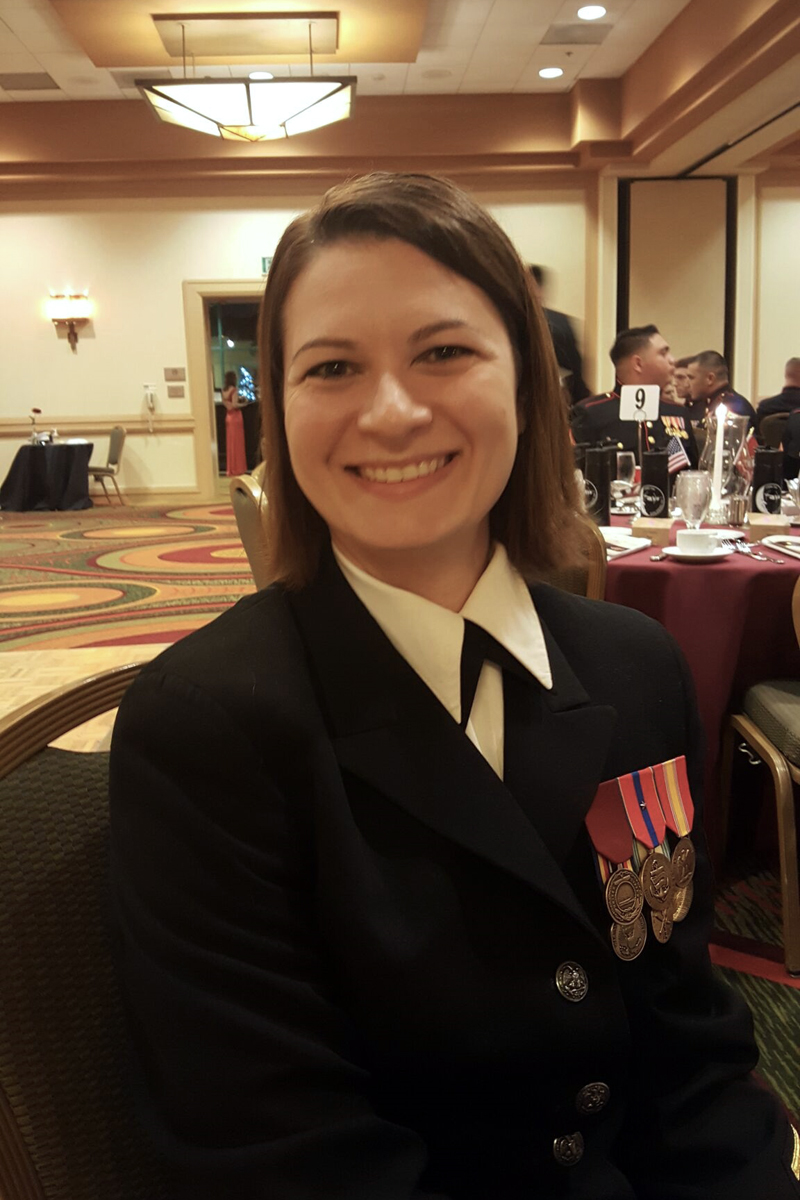
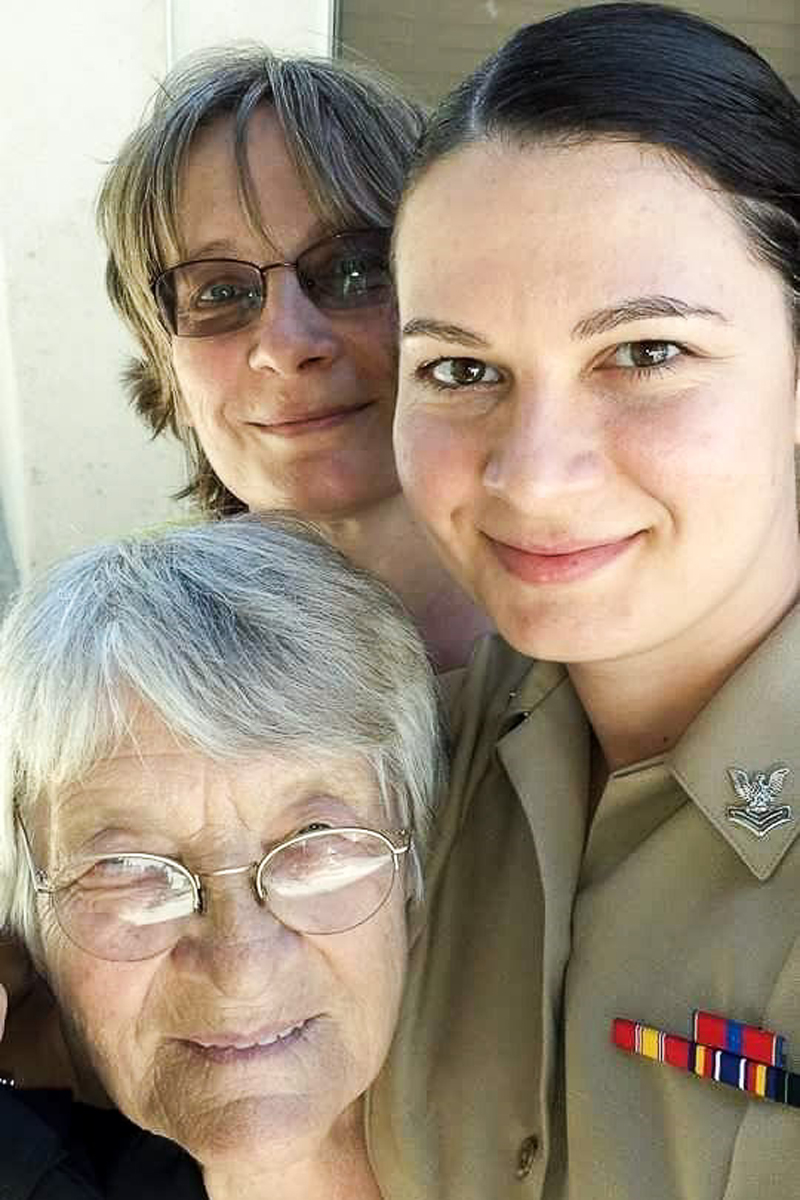
Anna Zakharova received her formal medical education as a corpsman in the US Navy. However, she was exposed to medicine very early in life. Born and raised in Ukraine, her grandfather was a doctor and her grandmother a nurse.
“I considered pursuing medicine when I was 15 or 16,” Anna tells us. She started college in Ukraine before moving to the States at age 17 and a half. “My mother married an American citizen. I came to the US a year later because I was still in school.”
Later, her grandmother and an aunt followed.
Anna Zakharova – Spokane Class 22
Anna Zakharova received her formal medical education as a corpsman in the US Navy. However, she was exposed to medicine very early in life. Born and raised in Ukraine, her grandfather was a doctor and her grandmother a nurse.
“I considered pursuing medicine when I was 15 or 16,” Anna tells us. She started college in Ukraine before moving to the States at age 17 and a half. “My mother married an American citizen. I came to the US a year later because I was still in school.”
Later, her grandmother and an aunt followed.
[smartslider3 slider=176]
She explains that the team was part of the USMC task force established to respond to different crises in a specific area of Africa.
“My squadron flies V22 Ospreys and our job was to fly in to pick up or deliver and then to fly back. The primary focus was casualty evacuation, if we were ever needed. If we had casualties to pick up, or if we needed to go for supplies, we would pick them up and deliver them wherever it was needed.”
Casualty evacuation was not a regular event, so in the course of her duties, Anna was treating mostly young and healthy patients. “These were marines who had hurt themselves or gotten sick,” she says. “Primarily, it was normal day-to-day stuff.”
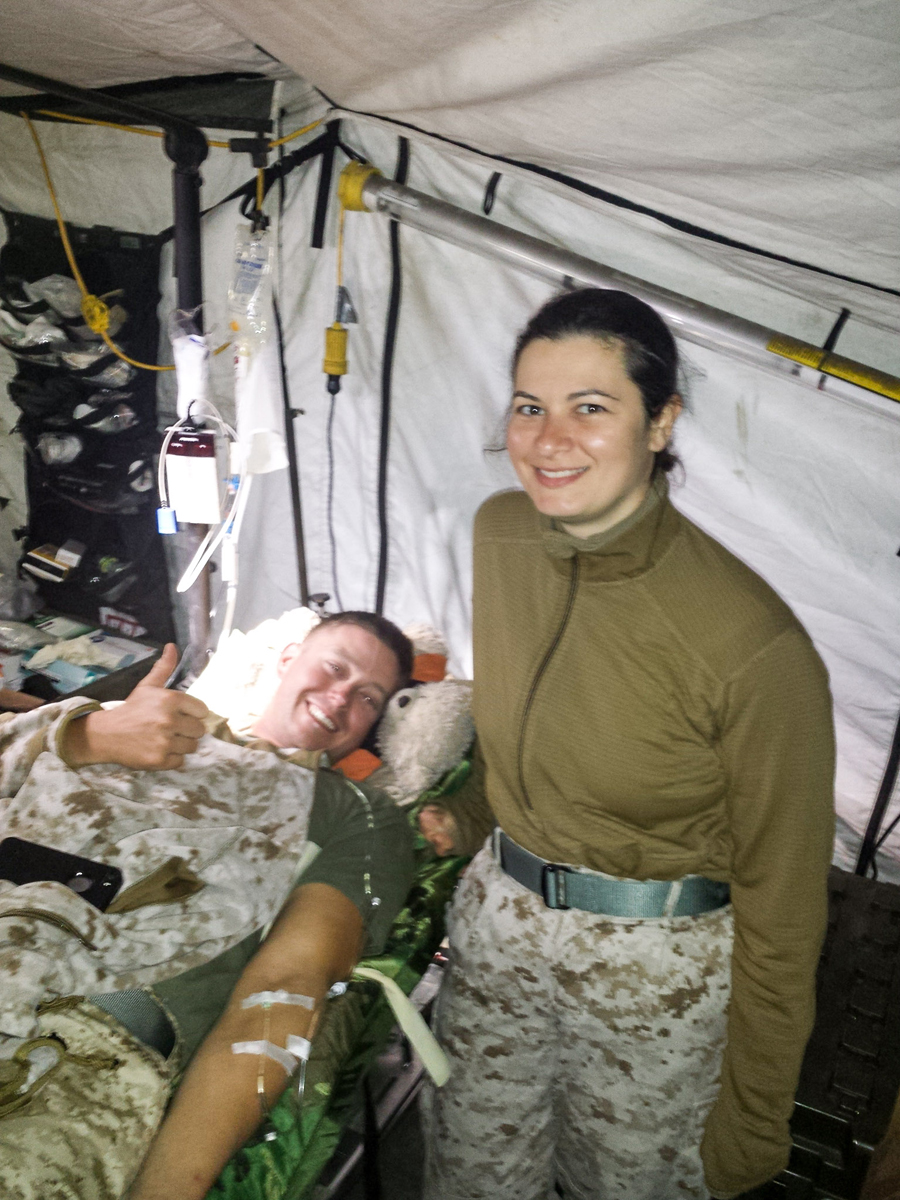 When not on active duty, Anna also had a civilian job. For the past five years she’s been working at the VA as a nursing assistant.
“There I had more exposure to post-military veterans, including Vietnam Era veterans,” she says. “They tend to be a little bit different from the general population. Some were exposed to Agent Orange, so they had a lot of health issues.” Diabetes and emphysema played a big role. She saw patients that had cancers, and diseases that go hand-in-hand with drugs, alcohol abuse and smoking. “These are often the results of more self-destructive behaviors.”
Looking ahead to the future and her new profession as a physician assistant, Anna has some definite ideas about how she might contribute to her fellow veterans.
“I’ve always been interested in psychology,” she says. “It started out because I had friends coming back from Iraq and Afghanistan that were suffering from PTSD. I didn’t understand it very well, so I got my bachelor’s in psychology. I want to work with veterans and active duty personnel doing psychiatry. Because I didn’t go to Iraq or Afghanistan, I wanted to do something that was helpful in some way.”
Anna originally planned to do a PhD in clinical psychology, but that meant not practicing medicine anymore. Then she learned about the PA profession, and that both clinical psychology and a medical practice could be combined.
When not on active duty, Anna also had a civilian job. For the past five years she’s been working at the VA as a nursing assistant.
“There I had more exposure to post-military veterans, including Vietnam Era veterans,” she says. “They tend to be a little bit different from the general population. Some were exposed to Agent Orange, so they had a lot of health issues.” Diabetes and emphysema played a big role. She saw patients that had cancers, and diseases that go hand-in-hand with drugs, alcohol abuse and smoking. “These are often the results of more self-destructive behaviors.”
Looking ahead to the future and her new profession as a physician assistant, Anna has some definite ideas about how she might contribute to her fellow veterans.
“I’ve always been interested in psychology,” she says. “It started out because I had friends coming back from Iraq and Afghanistan that were suffering from PTSD. I didn’t understand it very well, so I got my bachelor’s in psychology. I want to work with veterans and active duty personnel doing psychiatry. Because I didn’t go to Iraq or Afghanistan, I wanted to do something that was helpful in some way.”
Anna originally planned to do a PhD in clinical psychology, but that meant not practicing medicine anymore. Then she learned about the PA profession, and that both clinical psychology and a medical practice could be combined.